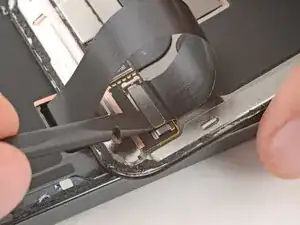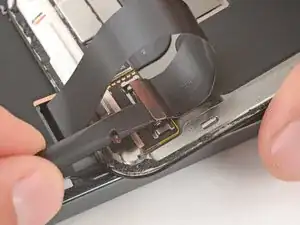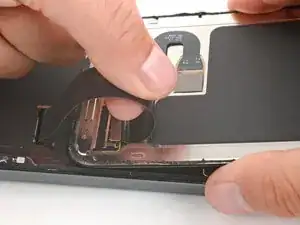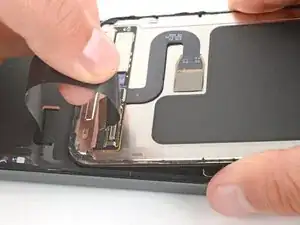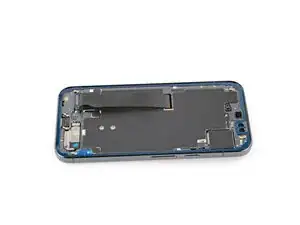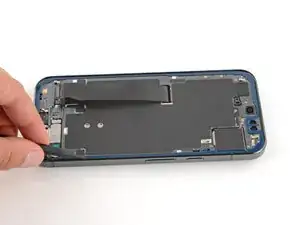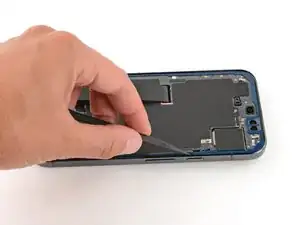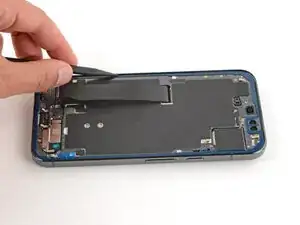
Introdução

This repair guide was authored by the iFixit staff and hasn’t been endorsed by Google. Learn more about our repair guides here.

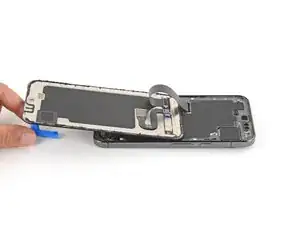
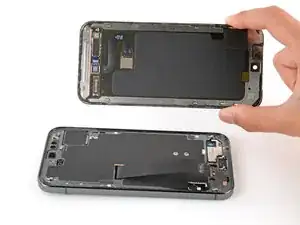
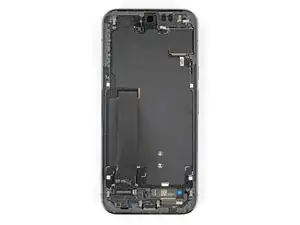
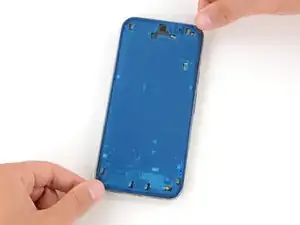
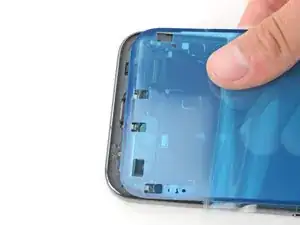
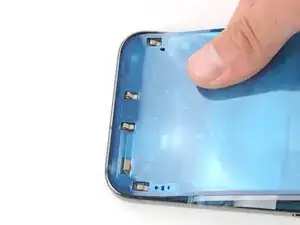
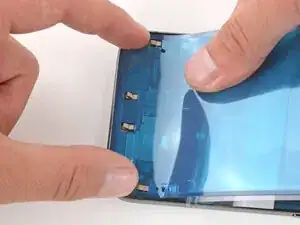
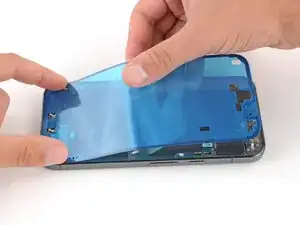
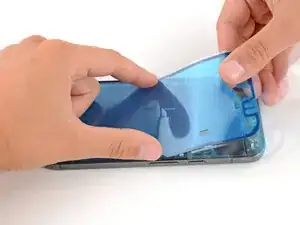
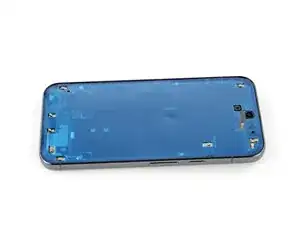
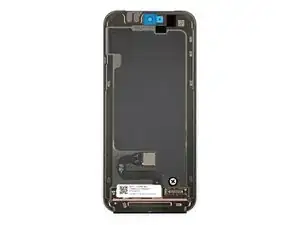
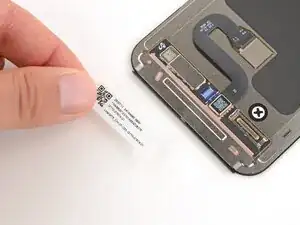
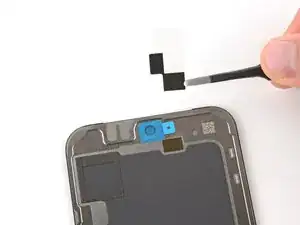
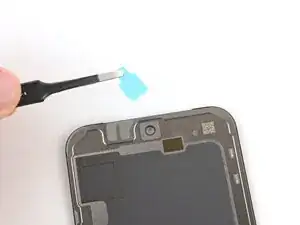
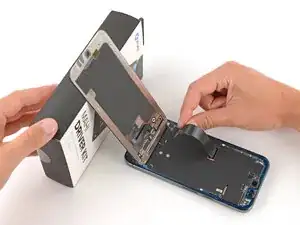
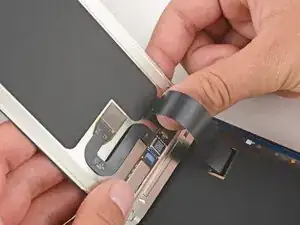
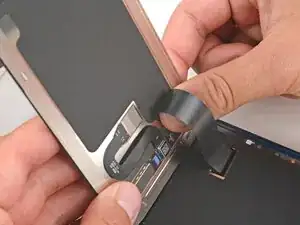
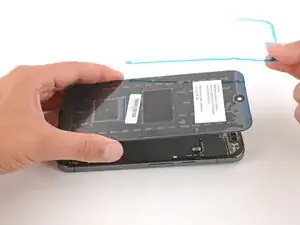
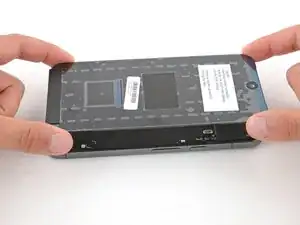
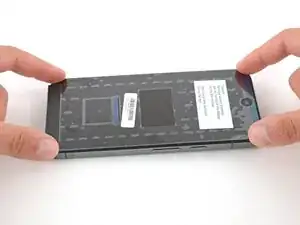
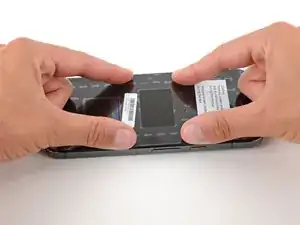
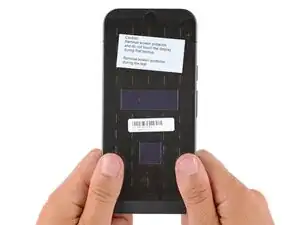
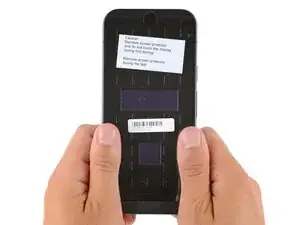
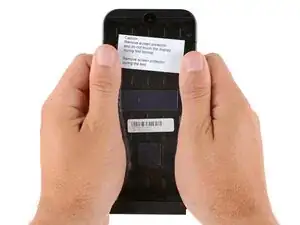
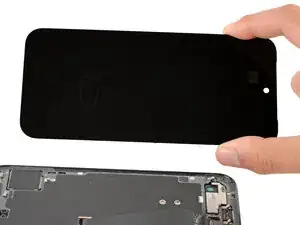
Follow this guide to replace a cracked, broken, or non‑responsive screen on your Google Pixel 10 Pro XL.

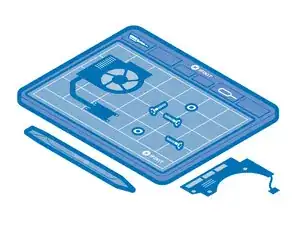
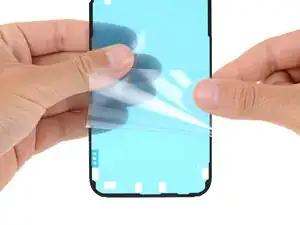
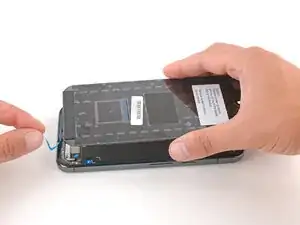
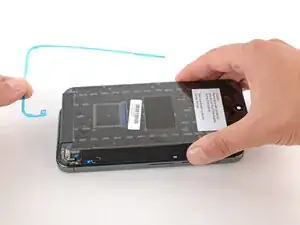
If your screen doesn't come with adhesive pre‑installed, you'll need replacement screen adhesive to complete this repair.

Note: Any repair can compromise the water resistance of your phone. Retaining water resistance after the repair depends on how accurately the new adhesives are applied and how clean the mating surfaces are.

  1. KfF631MWyOVITN1h
    KfF631MWyOVITN1h
    hZHiOHQ3mCjSMlFY
    • Let your Pixel's battery drain below 25% before starting this repair. A charged lithium‑ion battery may catch fire if damaged.

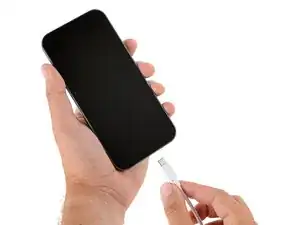
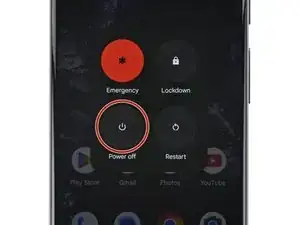
    • Unplug all cables and completely power down your phone.

  2. bStRjvBjCwIPnMvd
    bStRjvBjCwIPnMvd
    FwUel2FFF5lqW1d1
    PkeruXcFxSMwaSfV
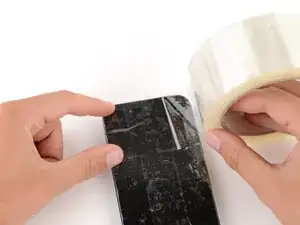
    • Glass shards can complicate disassembly—or worse, cause injury. If your phone has a cracked screen, follow this step.

    • Apply strips of packing tape to the cracked glass until the whole screen is covered—this will help keep the glass contained and allow the suction cup to stick to the screen.

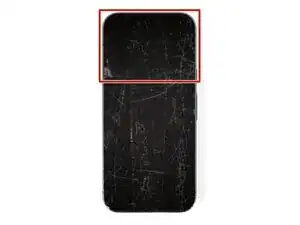
    • Make sure there's a single strip (not overlapping) of tape across the top edge, big enough for a suction cup to fit on.

    • Only cover the glass itself—don't stick any tape to the frame.

    • Consider wearing safety glasses to protect your eyes from any glass shaken free during the repair.

  3. Upd2YSLLCekviGPE
    Upd2YSLLCekviGPE
    KTKmpTPpcEQeXQNw
    UlJWqPKAKsAmh4pY
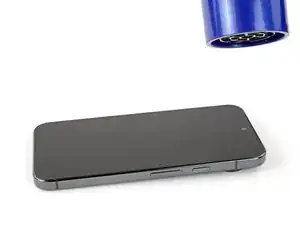
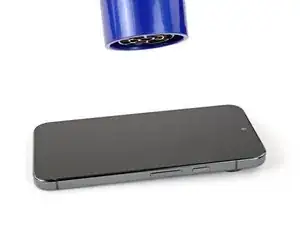
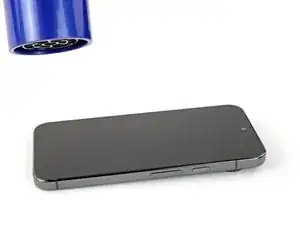
    • Adhesive secures the screen to the frame. Heating the screen softens the adhesive, making it easier to separate.

    • Use a hair dryer, heat gun, or heat pad to heat the entire screen until it's almost too hot to touch.

    • Improper use of a heat gun can destroy the display and/or battery—follow the linked instructions carefully.

    • If you're using a heat pad, set it to 60° C (140° F) and place your phone screen side down for 10 minutes.

  4. 3uFYyZYB2bWjFwov
    3uFYyZYB2bWjFwov
    oF4qHGX32YbmLtXH
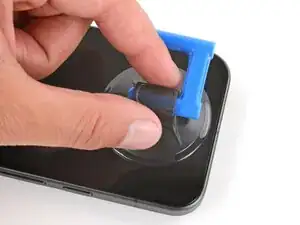
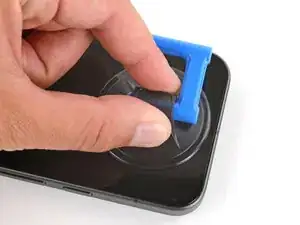
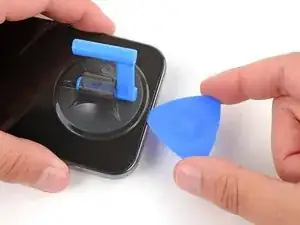
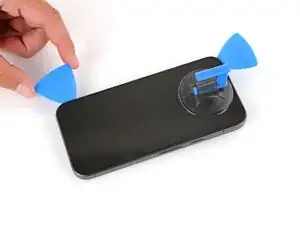
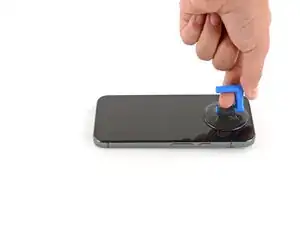
    • Apply a suction handle to the center of the screen's top edge, as close to the edge as possible.

  5. C5EjXVhRRThhda6j
    C5EjXVhRRThhda6j
    stLGmfLn4KQxwyAI
    sIHxsbABwPJlsH5y
    • Inserting an opening pick is difficult. Be patient and reheat the screen at any point if it feels stuck.

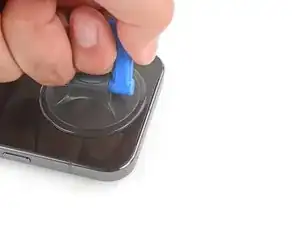
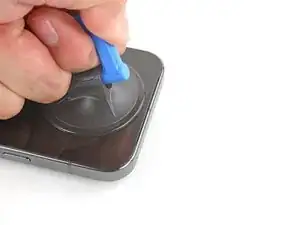
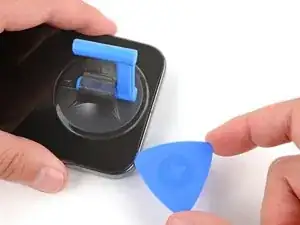
    • Pull up on the suction handle with strong, steady force to create a gap between the screen and frame.

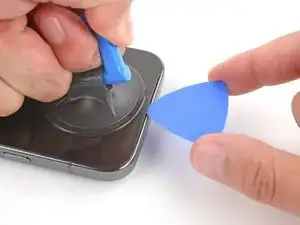
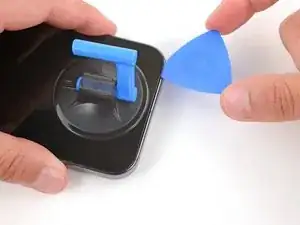
    • Insert the tip of an opening pick completely under the screen.

    • When inserting your pick, make sure it's underneath the screen, and not only under the glass panel—separating the glass panel from the screen will make removal difficult.

    • Only insert the pick slightly (a few millimeters) to prevent damaging the front camera.

  6. qD2YZMAUnAc4HBfL
    qD2YZMAUnAc4HBfL
    6jCHCG2IPklYvqPf
    ZpqckJ3Od1N4KqYa
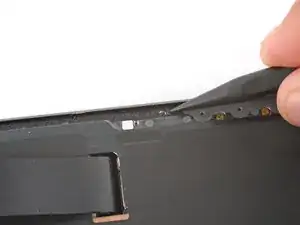
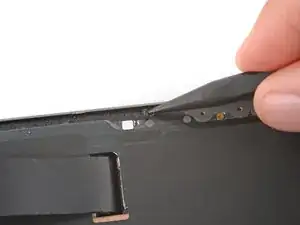
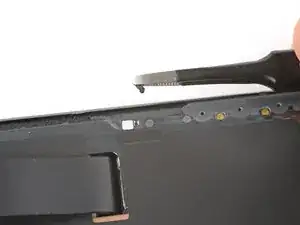
    • Slide the opening pick along the top edge to separate the adhesive.

  7. LAnXLNFUTAST2srV
    LAnXLNFUTAST2srV
    rOQR1MKlB2sxGRRA
    F6pRRadbqyvKFBnC
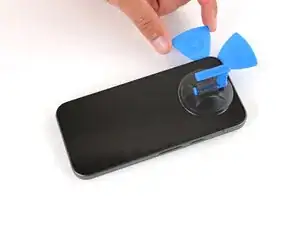
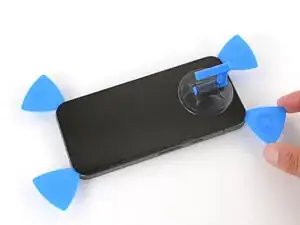
    • Continue sliding the pick around the perimeter of the screen until all the adhesive has been separated, leaving picks inserted at the corners to prevent the adhesive from re‑sealing.

    • Reheat the screen at any point if it feels stuck.

    • Don't try to fully remove the screen yet, as it's still connected by a ribbon cable.

  8. I1dqAF3MUXbokV1Q
    I1dqAF3MUXbokV1Q
    eIVxqSytf2AOtMGC
    hItefF1LU3IGVN5h
    • If the screen still feels stuck, go back around the perimeter with an opening pick and separate any remaining adhesive.

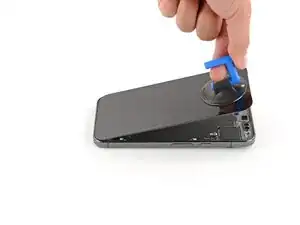
    • Flip the top edge of the screen over the bottom edge and use the suction handle to prop it up, so you have access to the screen cable connector.

    • Alternatively, you can lay the screen down flat over the bottom edge of your phone. But be careful not to strain the cable.

  9. DgDYxbQDAPfnNHU4
    DgDYxbQDAPfnNHU4
    eXYKLXtkrKaJ3vlZ
    eajCWwIh1oV5fOFp
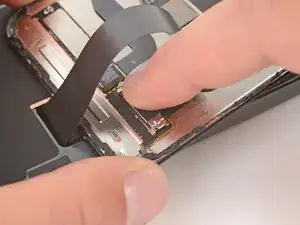
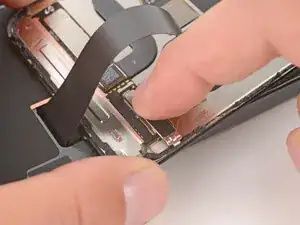
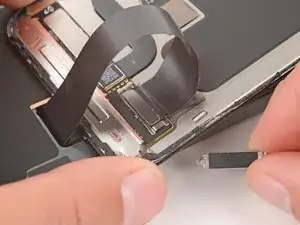
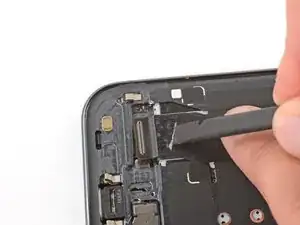
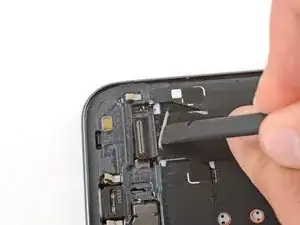
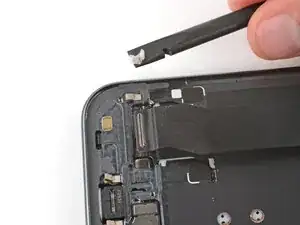
    • Use your finger to press down firmly on the screen cable bracket and slide it away from the phone to unclip and remove it.

  10. QDiuCmO2TRIRAjgC
    QDiuCmO2TRIRAjgC
    gV2Yk5ZMvnksYU3I
  11. suyuH36KvyOXhWre
    suyuH36KvyOXhWre
    XjUHciYdnPHSuHce
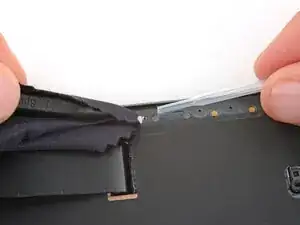
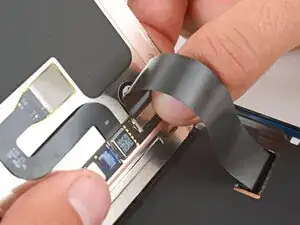
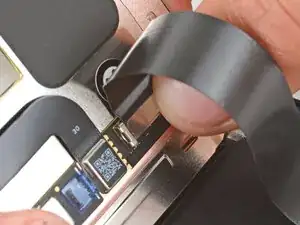
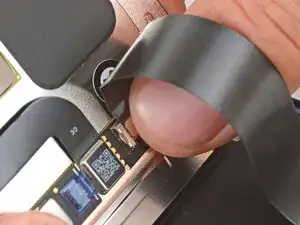
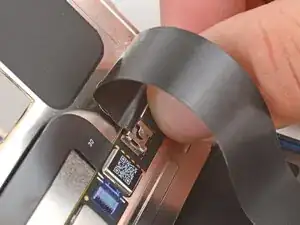
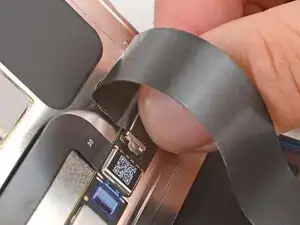
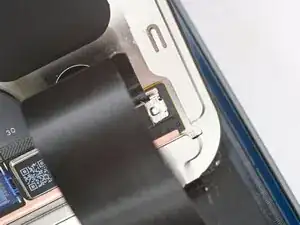
    • Grip the screen cable just above its connector and gently peel it up.

    • If you're having trouble, use a hair dryer or heat gun to lightly heat the cable.

  12. sLI5XOShDJcxfhbn
    • Remove the screen.

  13. P3PiWVJAGmNPrUvD
    • Congratulations on completing disassembly! The remaining steps will show how to reassemble your phone.

  14. JWqDen56QRYT2ieN
    JWqDen56QRYT2ieN
    mtAM3KVB4EGpLhmJ
    wxvt4VlWACUSjLeg
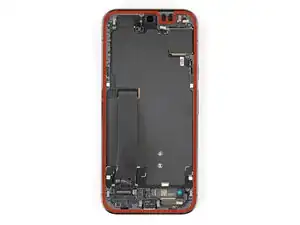
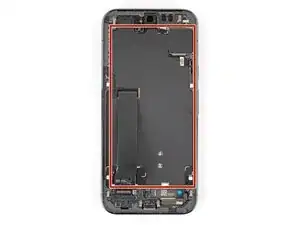
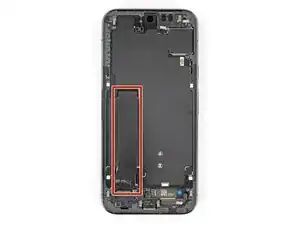
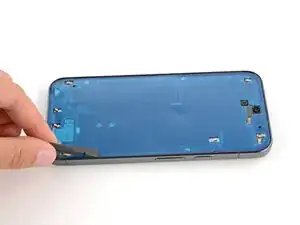
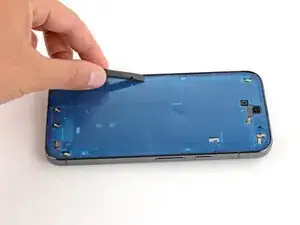
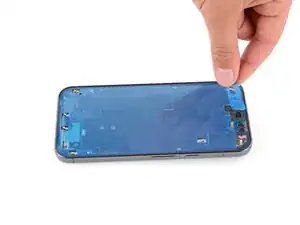
    • Before installing adhesive, all the old adhesive must be completely removed from the frame.

    • Take your time during the next two steps. A clean frame allows replacement adhesive to lay totally flat, ensuring a better seal for your new screen.

    • The graphite sheet attached to the frame is very fragile. Be careful not to damage it when cleaning the frame.

  15. 1BKNpoWEdHBTXsiJ
    1BKNpoWEdHBTXsiJ
    JAHsHBrJIYabNhRM
    MRbnYMBcgPkSMiSv
    • This step will take some time, as removing the adhesive can be very tricky.

    • Use the point of a spudger to remove all the old screen adhesive from the frame. Try to "roll" the adhesive onto itself so it balls up, making it easier to remove.

    • If you can ball up a big enough chunk, use tweezers to slowly pull the adhesive the opposite way you were scraping with your spudger.

  16. uMcvYhNE1iy2BcVk
    • Wrap a microfiber or lint‑free cloth around a spudger.

    • Use the spudger and a drop of high‑concentration (>90%) isopropyl alcohol to clean up all the remaining adhesive residue from the frame, applying more drops of alcohol as necessary.

    • Let the alcohol dry completely before continuing.

  17. ZITywphNXT4jex5Z
    ZITywphNXT4jex5Z
    Of6D6iDAlxYhRLSi
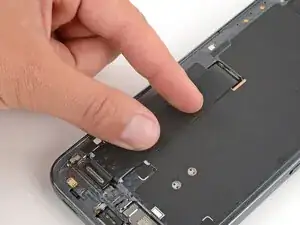
    • The screen cable sticks up off the frame, making it difficult to apply new screen adhesive.

    • Use your fingers to push the screen cable down so it sits as flat to the frame as possible.

  18. SqiOsDZuZlCbMwGE
    SqiOsDZuZlCbMwGE
    Qwar1TwBKnCuJiHJ
    CxIh5fRHQDVJ2Isb
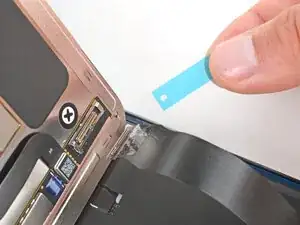
    • If you don't have replacement screen cable adhesive, you can reuse the adhesive and skip this step.

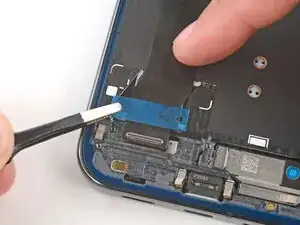
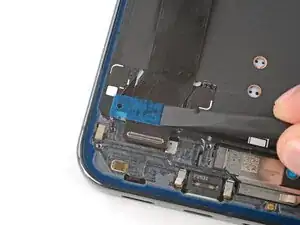
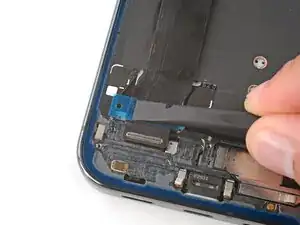
    • Hold the screen cable down with one hand, and with your free hand use a spudger to gently scrape up and remove the piece of adhesive on the screen cable, near the connector.

    • Be very careful not to damage the cable or its connector. Otherwise, your screen may not work.

  19. iFTOYFBTtLgSSXZt
    iFTOYFBTtLgSSXZt
    xOn2AEb1UCMYl5aZ
    2QPncGpoZRQJLbCe
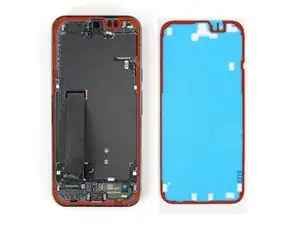
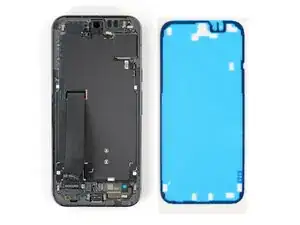
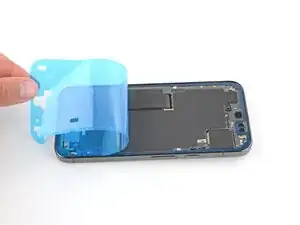
    • Before applying any adhesive, check if your replacement screen comes with adhesive pre‑installed around its perimeter. If it does, skip down seven steps. If it doesn't, follow the next nine steps to install new screen adhesive on the frame.

    • Before applying the screen adhesive, make sure you know how it will sit on the frame. If you apply the adhesive incorrectly, you'll need to restart with new adhesive.

    • Hold the adhesive above the frame to find its orientation. Use cutouts in the liner and the contours of the adhesive to help visualize how it will lay in the frame.

  20. YuIMbqBWVPHsSVIR
    • Peel up the bottom half of the larger, clear liner to expose the adhesive—don't fully remove the liner yet.

  21. kqdpPDLrykiHMVeX
    kqdpPDLrykiHMVeX
    AVmYyimv2Z1GoyLi
    udVq5Hho3qtHQBKI
    • Take your time aligning the adhesive with the frame—it's very sticky and can't be moved after you apply it.

    • With the larger, clear liner folded towards the top of the phone, lay the exposed bottom edge of the adhesive onto the frame.

    • Use the lip of the frame to help align the adhesive.

    • Once the top edge is properly aligned, gently press down on the top corners to secure the adhesive.

  22. AO6hkJMfoUlrffFx
    AO6hkJMfoUlrffFx
    CAlqfEvNYUuVB3hV
    Vp3VEVXxuUZeXbIU
    • Slowly lay the rest of the adhesive onto the frame, pressing it into place and peeling away the larger, clear liner as you go.

  23. ATlYDlaSAScSN6IF
    ATlYDlaSAScSN6IF
    L2k4UmfbEClJOUKl
    • Use a spudger to press down firmly on the screen adhesive to secure it to the frame.

  24. Js2lG3jty5ywOmUP
    Js2lG3jty5ywOmUP
    wCSPpnRONV2nWqYj
    smLIJQZFpXJh1UPm
    • Slowly peel up and remove the larger colored liner, peeling from the cutout near the top edge.

    • If the adhesive starts to peel up with the liner, check that you’ve pushed all of it into place with your spudger. If it continues to peel up, hold it down with the point of your spudger as you go.

  25. DiWb1h2Jlf3fQRtF
    DiWb1h2Jlf3fQRtF
    HTuQvOLWteP3JeRh
    GhJVGlW6TXjPCmFL
    • Use a spudger to press down firmly on the screen adhesive to secure it to the frame.

  26. CJdWYMYTsySMkYNy
    CJdWYMYTsySMkYNy
    OcEeD2CPtkjvJUig
    KuWGkshERPIbfAlP
    • If you're reusing the screen cable adhesive, skip this step.

    • Remove the larger, clear liner from the screen cable adhesive.

    • Place the adhesive onto the screen cable (just above the connector) and use the flat end of a spudger to press the adhesive into place.

    • Leave the remaining liner attached for now.

  27. cqZ1sGa2SPHkCNvW
    cqZ1sGa2SPHkCNvW
    K5PD2btl5KrjfW1X
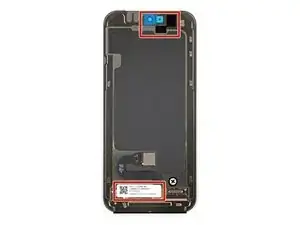
    • Your replacement screen has various protective liners and pieces of tape on the underside that must be removed before installation. Your screen may have different pieces in different locations, so make sure to check carefully!

    • Check around the front facing camera cutout and near the bottom edge of the screen for liners or tape.

    • Usually, you can identify the liners by their pull tabs.

  28. TY1LLai11usOxRWb
    TY1LLai11usOxRWb
    aVRkw1EsdTq6VlHv
    WGs5DWWRQSuyAeFD
    • The exposed back of the screen is very fragile—even a small scratch can cause damage. Be very careful not to damage the screen during the remaining steps.

    • Use your fingers or tweezers to remove the plastic liners and tape near the front camera cutout and bottom of the screen.

  29. cUpielEfJgnRxKX3
    • Use a sturdy object to prop up the screen so you can reconnect its cable.

    • Make sure the screen is oriented so it's in the proper position when you flip it back down.

  30. yeSAtL4n26okCAfn
    • Remove the remaining liner from the screen cable adhesive.

  31. AZ2RQJndke3IiLMi
    AZ2RQJndke3IiLMi
    PxIRjPbJbKIQfrgv
    TZPtBTRXHVJymkgu
    • Loop the screen cable around and use your fingers to reconnect the press connector, pressing on one side first and then the other.

  32. QeCabZaMJKoh5JKu
    QeCabZaMJKoh5JKu
    wDKlsoHCYuUKMVus
    BgJY1xChHfWePt6a
    • Insert the small arm of the screen cable bracket into its slot next to the connector.

    • Press down on the bracket and slide it into place until it clicks, making sure the outer edge hooks into place.

  33. TEyIKhTCQ4vnKVv2
    TEyIKhTCQ4vnKVv2
    CYS4wXhMKCXPHuP2
    • Press the cable into place above the connector to secure it to the screen.

  34. AxoOLDOsmDcEtW4Q
    AxoOLDOsmDcEtW4Q
    DJWrT3rCaGCVGJxa
    PBHi4CI4E1aalKqw
    • Flip the screen down and hold it above the frame.

    • Remove all remaining liners from the adhesive (either on the frame, or from the underside of the screen).

  35. vdYZb2ZjDZTYLsVx
    vdYZb2ZjDZTYLsVx
    31AEvgXOuWvbtnMI
    IZyqlHWlfLaOWSMh
    • Firmly push the screen into place on the frame.

  36. rAVMukybiPB3wcqe
    rAVMukybiPB3wcqe
    xyAp6ee1AZEMECVn
    XiLNDFFTSqsnE4ej
    • Hold your phone up and squeeze firmly around the perimeter to strengthen the adhesive bond.

    • For an even stronger bond, you can stack books on the back glass or use screen vise clamps.

    • Before powering on your Pixel for the first time, lay the phone screen-side up on a clean, flat surface. Remove the plastic liner from the screen, making sure nothing touches the phone while you do so (fingers, screen protectors, or cases).

    • Follow any other specific instructions that may be on the screen's adhesive liner.

Conclusão

Congratulations on completing your repair!

To calibrate your display’s fingerprint reader, use Google’s Pixel Update and Software Repair tool.

To run a diagnostics test with the built-in Pixel Diagnostic tool, click here.

Take your e-waste to an R2 or e-Stewards certified recycler.

Repair didn’t go as planned? Try some basic troubleshooting, or ask our Answers community for help.

Spencer Day

Membro desde: 14/09/22

165254 Reputação

0 comentários