Introdução

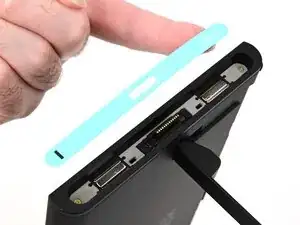
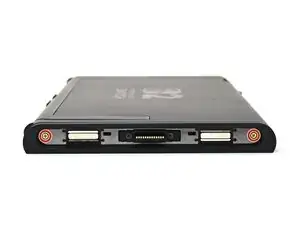
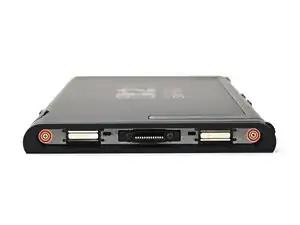
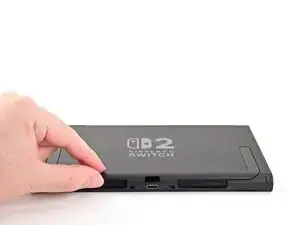
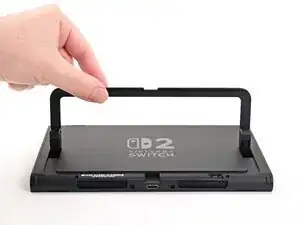
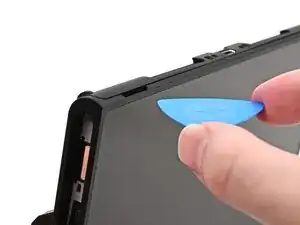
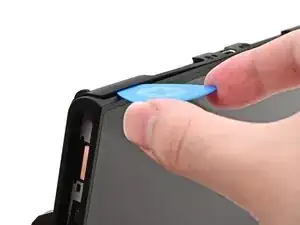
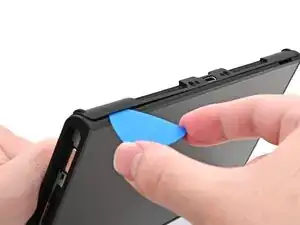
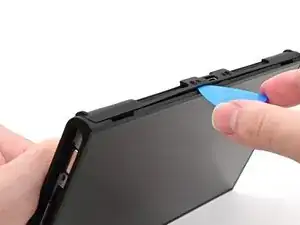
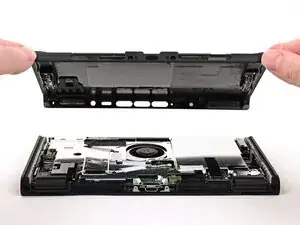
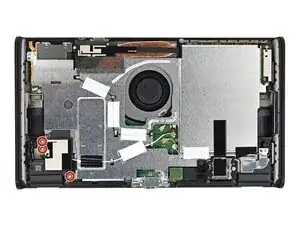
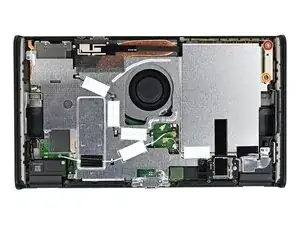
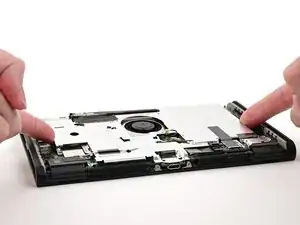
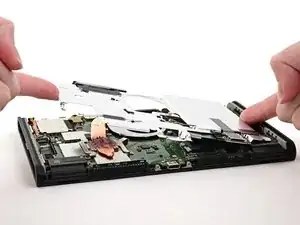
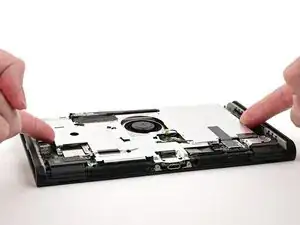
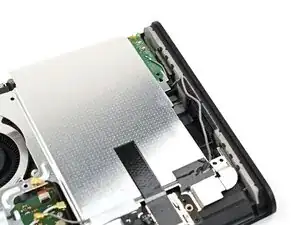
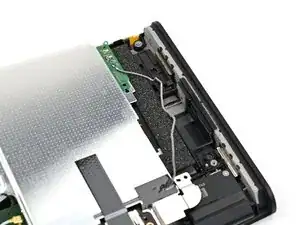
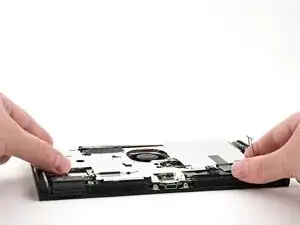
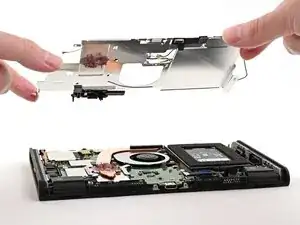
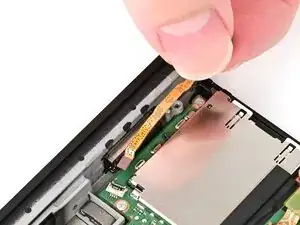
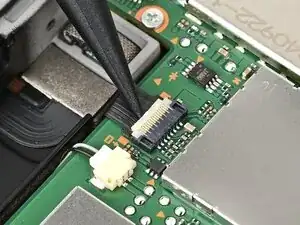
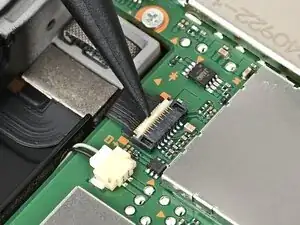
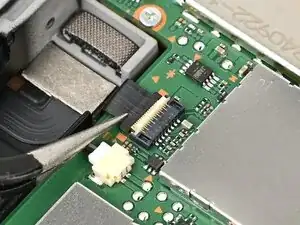
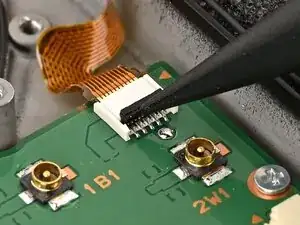
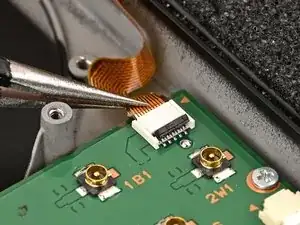
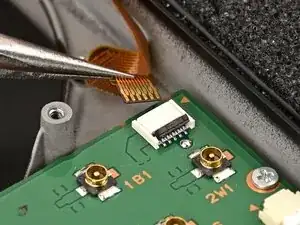
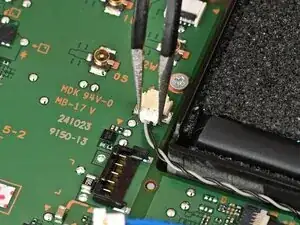
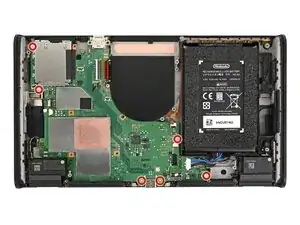
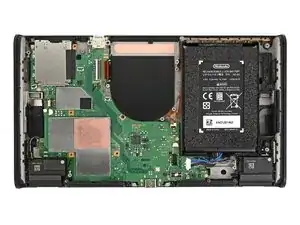
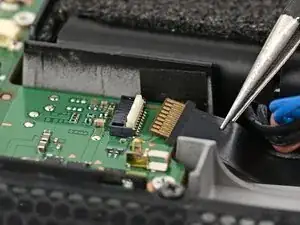
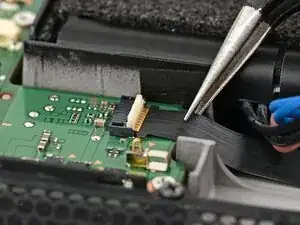
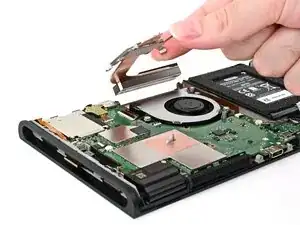
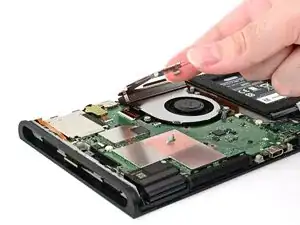
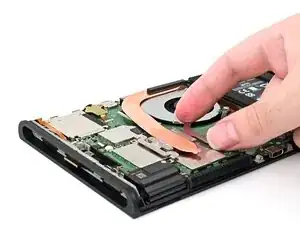
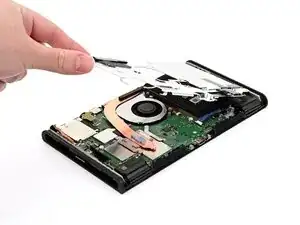
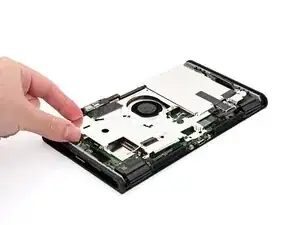
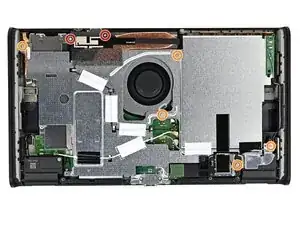
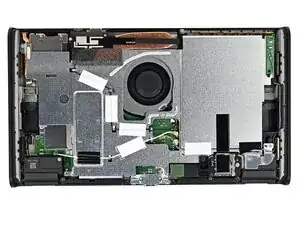
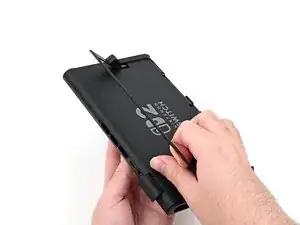
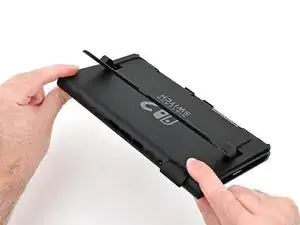
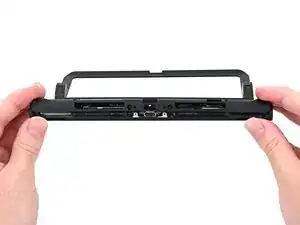
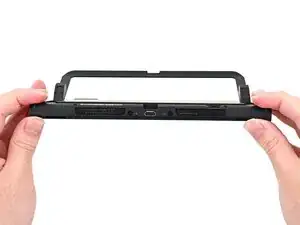
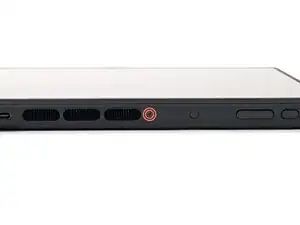
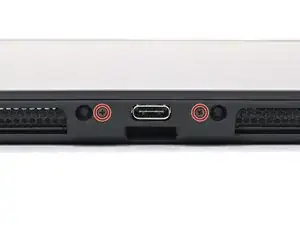
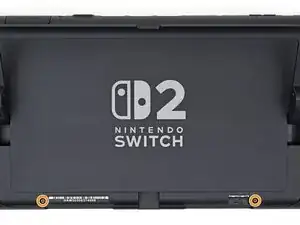
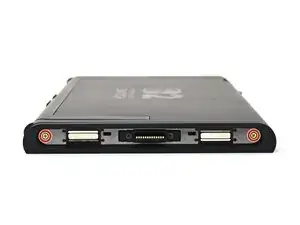
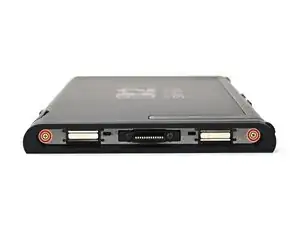
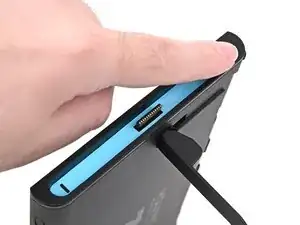
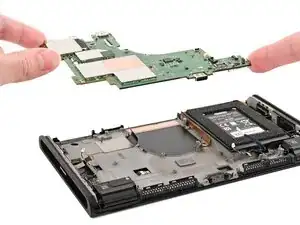
Follow this guide to replace the board (aka motherboard) in a Nintendo Switch 2 game console.

The Switch 2 uses JIS screws. If you use a non-iFixit Phillips driver in JIS screws, you'll risk stripping them. iFixit's Phillips bits are designed to be compatible with JIS screws.

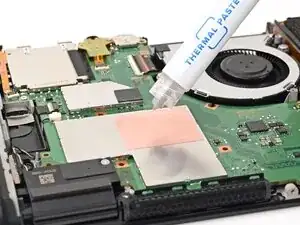
You’ll need new thermal putty and regular thermal paste to complete this repair.

  1. NQsFgQ1fC1wBuILk
    NQsFgQ1fC1wBuILk
    k2pFyTPIZxMXGMcY
    mgVMJXcfpXGxpxvI
    • For your safety, discharge the battery below 25% before disassembling the console. This reduces the risk of a fire if the battery is damaged during the repair. If the battery is swollen, take appropriate precautions.

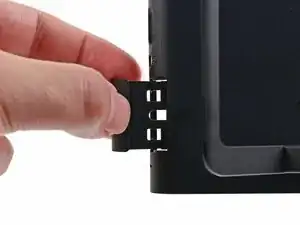
    • Remove any game cards and disconnect any cables, controllers, or other accessories from the console.

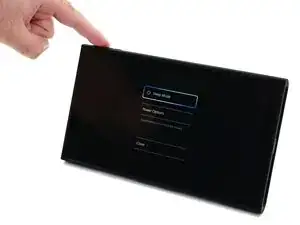
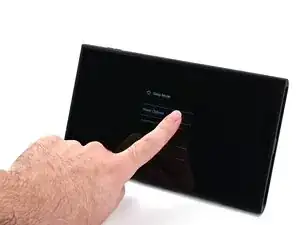
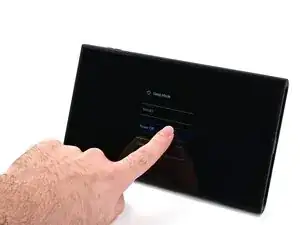
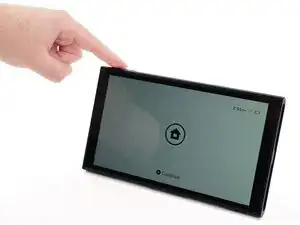
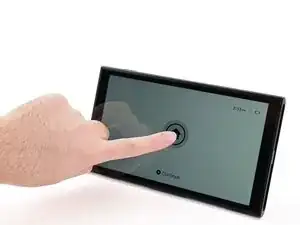
    • Power off the console by holding down the power button, selecting Power Options, then pressing Power Off.

  2. 5YVNpBaCsqgshIAj
    5YVNpBaCsqgshIAj
    GKJalBLCUFb4sFLQ
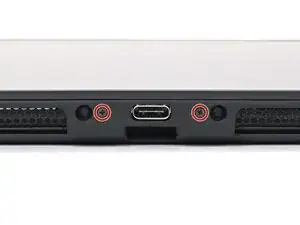
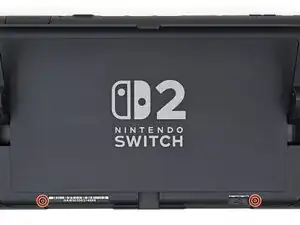
    • Use a JIS 00 driver to remove the two 3.1 mm‑long screws on either side of the bottom USB-C port.

    • You can try a non-iFixit Phillips driver in a pinch, but you risk damaging or stripping the screw. Push down firmly on the driver and twist slowly.

  3. jlL63CHmnGBMytYI
    jlL63CHmnGBMytYI
    we1DAds4sRAvig3L
    • Use a JIS 00 driver to remove the 3.1 mm‑long screw on the top edge of the console (next to the ventilation cutouts).

  4. bZVWHoC1W1mgYUh6
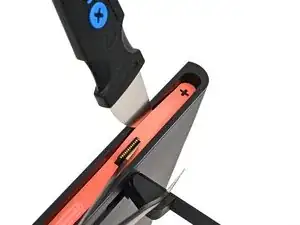
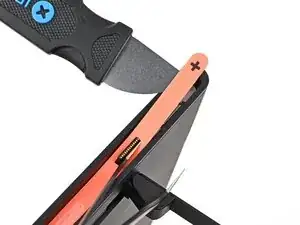
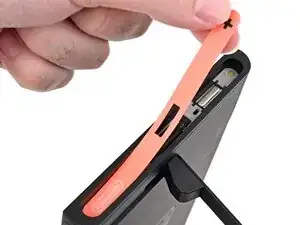
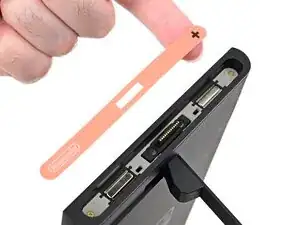
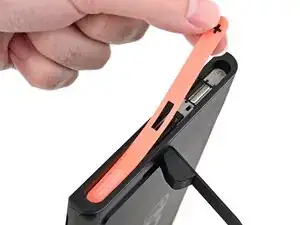
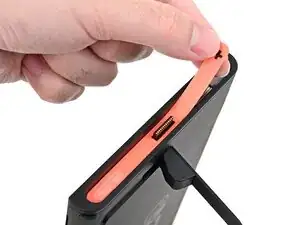
    • The Switch 2 has stickers on either side that need to removed to access the screws securing the back cover. It's easy to damage the stickers during removal, but you can mitigate this by regularly reheating the stickers and working carefully.

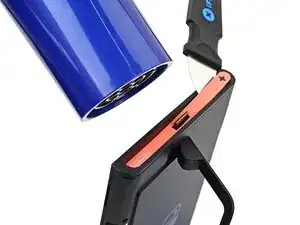
    • Use a hair dryer or heat gun to heat the sticker on the right side of the console, labeled with a "+" symbol, until it's hot to the touch.

    • You can use the kickstand to prop the console up vertically for easier access.

    • If you're using a heat gun, set it to low to avoid melting the plastic edge of the console.

  5. OKUSRtVWgoTdIJHM
    OKUSRtVWgoTdIJHM
    ao4XkPrFUXVEwjnE
    BBVFo3I2R5OkIAaO
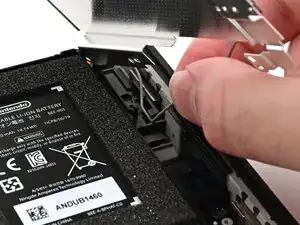
    • The pointed end of the tweezers can damage the sticker from the underside, leaving a noticeable mark. If it's difficult to lift, apply more heat instead of using more force.

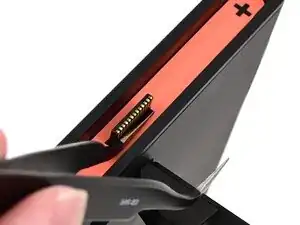
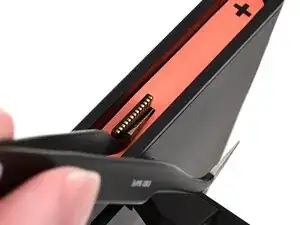
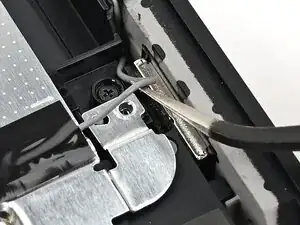
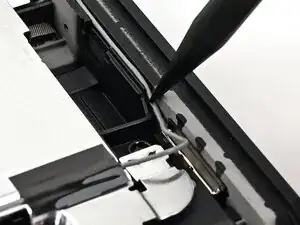
    • Slide one arm of angled tweezers underneath the sticker from its cutout around the right Joy‑Con 2 connector.

    • Gently pry up on the sticker until it starts to lift from the console.

    • Leave the tweezers in place to keep the sticker lifted.

  6. SSHxFVejMfpHGJA2
    SSHxFVejMfpHGJA2
    J1QBmuIPqd6MFrTw
    SXBJ1O1ugK2pY1BA
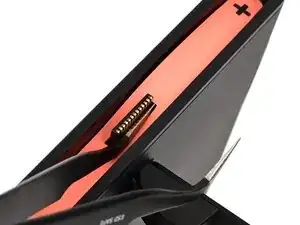
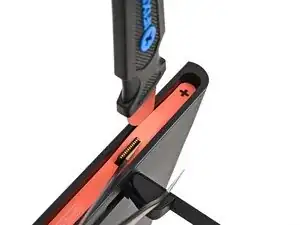
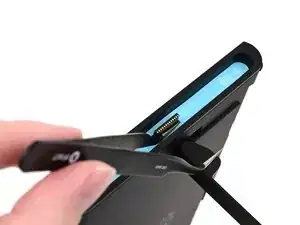
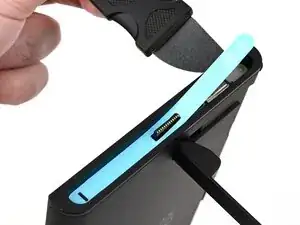
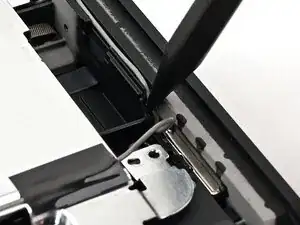
    • Insert the tip of a Jimmy into the gap formed between the long edge of the console and the sticker.

    • Gently pry up the sticker, working your way up the long edge until the top of the sticker is separated from the console.

    • Remove the tweezers once the sticker is lifted.

    • You can leave the Jimmy in place to hold the top of the sticker off the frame—if it falls back into its recess, repeat this procedure to lift it back up.

  7. wjdVrm2URbcSArBQ
    • Reheat the bottom of the right side until it's hot to the touch.

  8. vJxKQYyTutICrubh
    vJxKQYyTutICrubh
    TJPcnDmIZj1EuXPM
    PYVXYyNYBH45MwPn
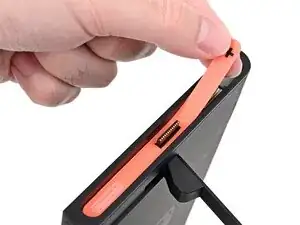
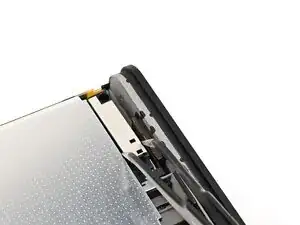
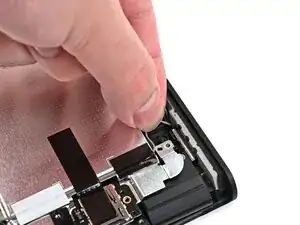
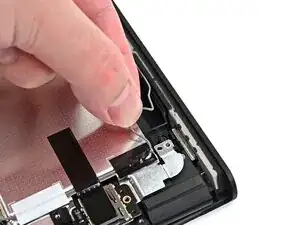
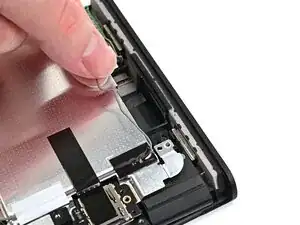
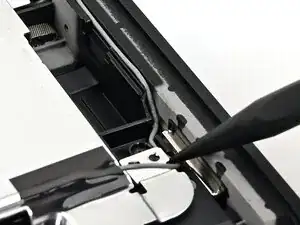
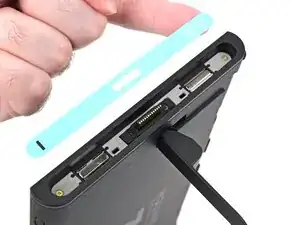
    • Carefully lift the sticker over the Joy‑Con 2 connector, then peel it up fully to remove it.

  9. 4JgLYAUkBPKHYL5N
    4JgLYAUkBPKHYL5N
    QdPU16ygx5WaXIOv
    Xt2DD4nGwtT11WTm
    • Repeat this procedure to remove the sticker along the left side of the console, labeled with a "-" symbol.

  10. QVVJCYqdQNmEJSpX
    QVVJCYqdQNmEJSpX
    scvilok6pD5gCZvZ
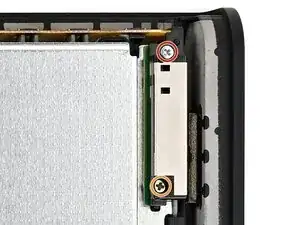
    • Use a JIS 00 driver to remove the two 3.6 mm‑long gold screws on each side of the console (four in total).

  11. 6i3X4ALKCNjQSqSD
    6i3X4ALKCNjQSqSD
    NP4lX6nYvxKhTfTQ
    RaITkR2vdQGZxRiP
    • Use your fingers to flip up the kickstand on the back of the console.

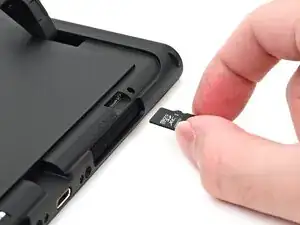
    • If there's a microSD Express card installed, remove it now before you continue to the next step.

  12. lFPPWotqhiCQDcvj
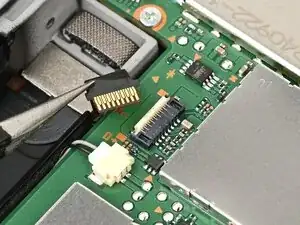
    lFPPWotqhiCQDcvj
    wiEGCoNC1dmsRgIJ
    • Use a Y00 driver to remove the two 4.4 mm‑long screws in the kickstand cutout.

  13. JoHeqQiUYhLrECIv
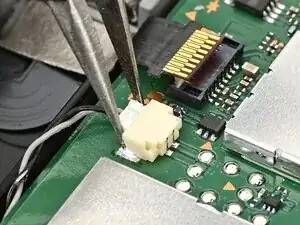
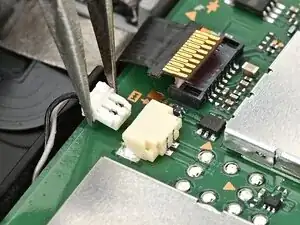
    JoHeqQiUYhLrECIv
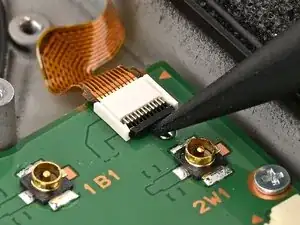
    jUrqv1dwQQCgGxyb
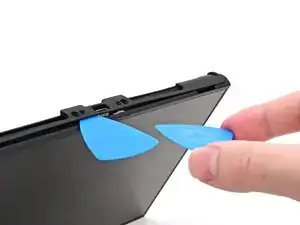
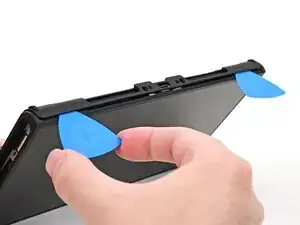
    • Insert an opening pick into the gap between the back cover and speaker cutout on the bottom edge of the console.

  14. cfJBwTZgEEalAn1Q
    cfJBwTZgEEalAn1Q
    IaF3XLZP3SpincUb
    • Slide the opening pick towards the USB-C port until it's underneath the screw hole next to the port.

  15. Ef3HiXgUlqP42rES
    Ef3HiXgUlqP42rES
    ETDCZYoSnOKTK13P
    qThFHMcpbOd31vL1
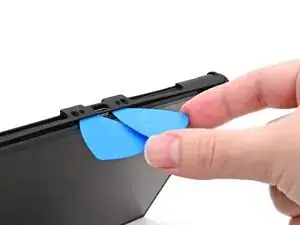
    • Insert a second opening pick underneath the screw hole on the opposite side of the USB-C port, and slide it to the corner of the console.

  16. 1vMRiPFOONkGwlZm
    1vMRiPFOONkGwlZm
    QqNvCOWsKavoX6mC
    • Slide the first opening pick back to where it was first inserted.

  17. wrN6QkEAU3sY5CFG
    wrN6QkEAU3sY5CFG
    mUqGchwWQVXF2eXE
    XVWaUHWhVCdPAXTI
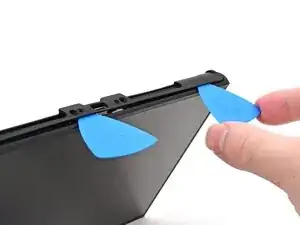
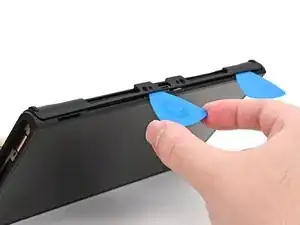
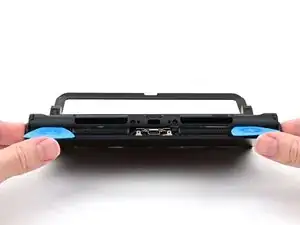
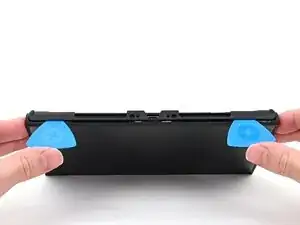
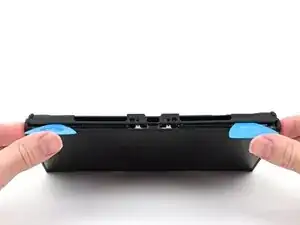
    • Be careful not to drop your console. Once the back cover pops up, the opening picks will fall out of place.

    • Hold the console with two hands. Rest your thumbs on the opening picks.

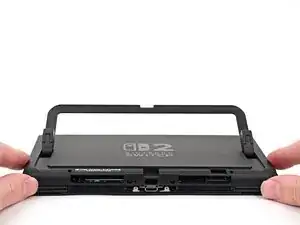
    • Push up on the opening picks to lift the back cover until it pops up above the USB-C port.

  18. OfZYXVPDOPAdKZpY
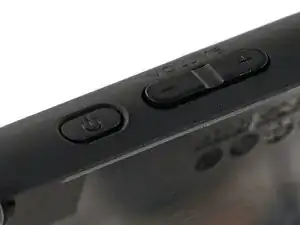
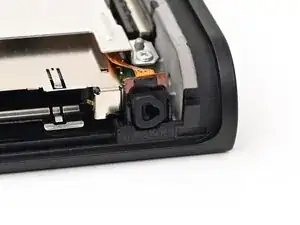
    OfZYXVPDOPAdKZpY
    H1krkBLPGZNL4OFd
    by4KabwvvEnPDlPP
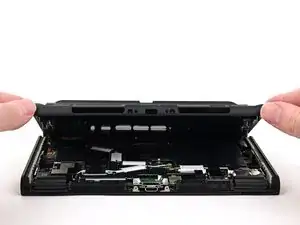
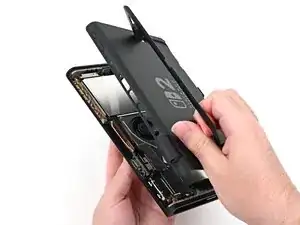
    • Lift the back cover up from the bottom edge and remove it.

  19. yUINxtt2JccXMRVi
    yUINxtt2JccXMRVi
    3Zd1HTvIDHjLBsOb
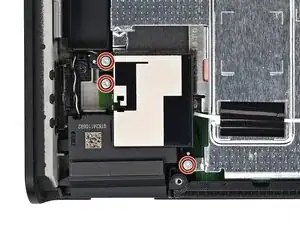
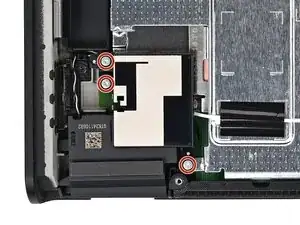
    • Use a JIS 00 driver to remove the three 4.4 mm‑long silver screws securing the lower antenna.

  20. 5RpO5GQji44FWCUr
    5RpO5GQji44FWCUr
    pRipdAlsxjSJXDmB
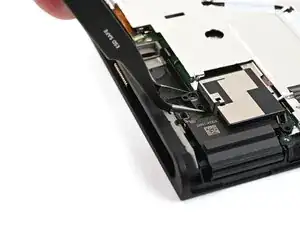
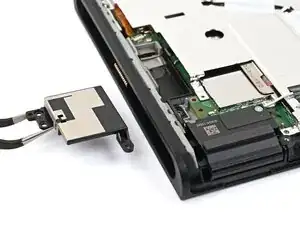
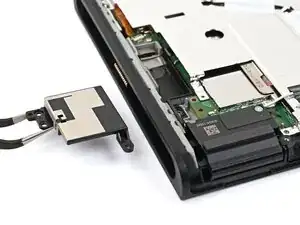
    • Use tweezers or your fingers to remove the lower antenna.

  21. jC53BveXKEYEqlUI
    jC53BveXKEYEqlUI
    sAYFyvwHGPeFMywp
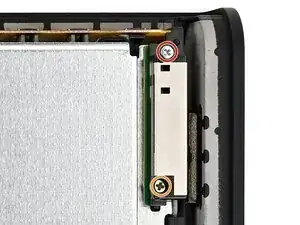
    • Use a JIS 00 driver to remove the two screws securing the upper antenna:

    • One 4.4 mm‑long silver screw

    • One 4.6 mm‑long green screw

  22. bGWBESkLk54DPEUw
    bGWBESkLk54DPEUw
    BZRDRtoNkxSUeDkK
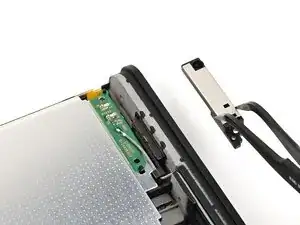
    • Use tweezers or your fingers to remove the upper antenna.

  23. JYawFZ2fAjORiCTh
    JYawFZ2fAjORiCTh
    MIb4NWZKsMPGeBv3
    SHORs4ixoADsjAbX
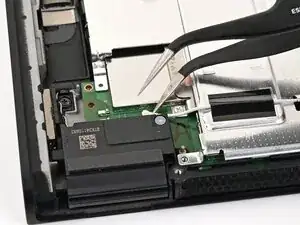
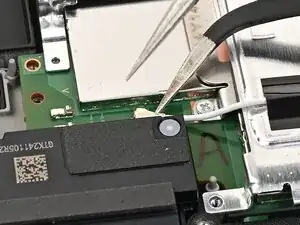
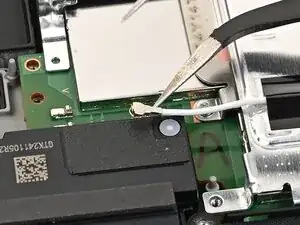
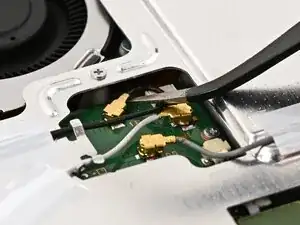
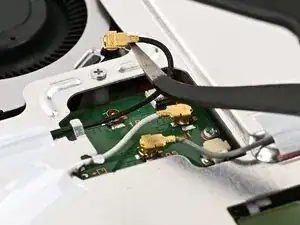
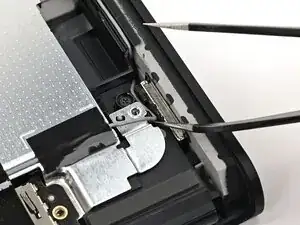
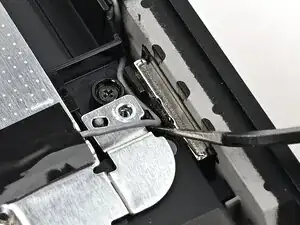
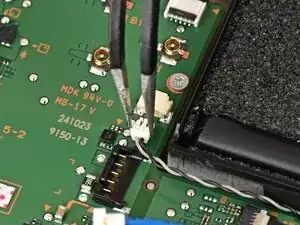
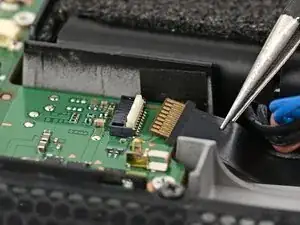
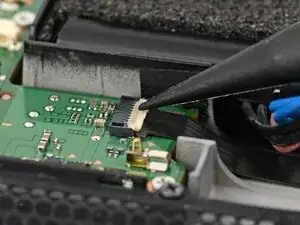
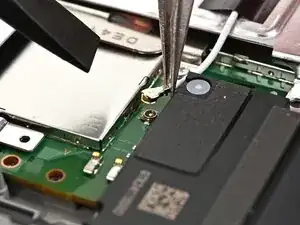
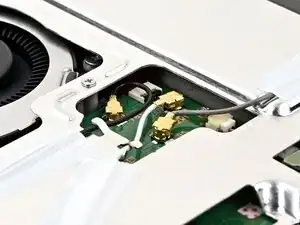
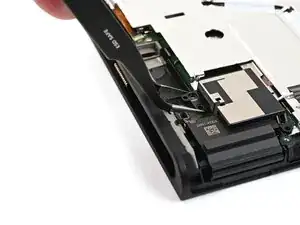
    • Insert an arm of angled tweezers under the metal neck of the white interconnect cable coaxial connector (located beneath the lower antenna) and lift straight up to disconnect it.

  24. 6rGSkmqlwFRHwhn2
    6rGSkmqlwFRHwhn2
    ObCwAQPFAcQvjyC1
    JBKvGj1X4OaKhkTg
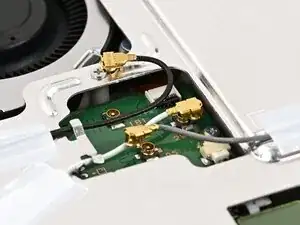
    • Repeat this procedure to disconnect the three central coaxial connectors from the board.

  25. BtXyRdmtfmwHfyE3
    BtXyRdmtfmwHfyE3
    hxaMIZVcj6APPP1k
    Q13OE4tSMvxpmuwA
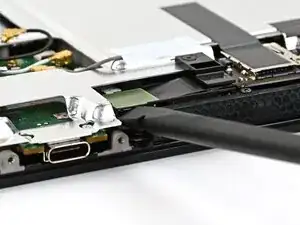
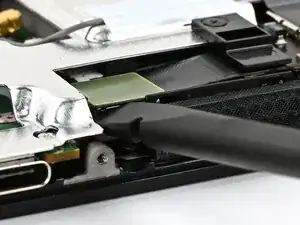
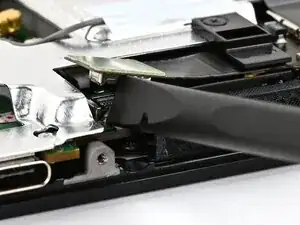
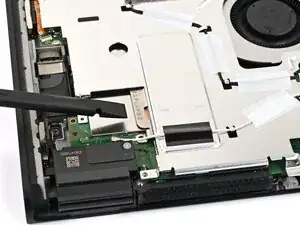
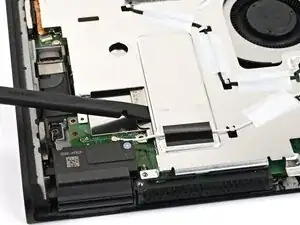
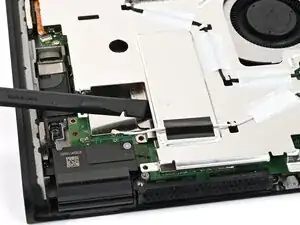
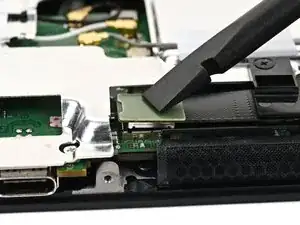
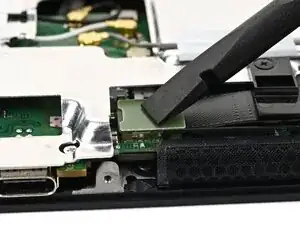
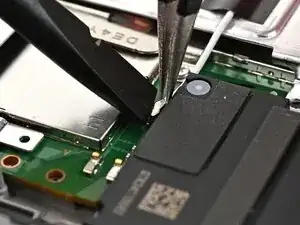
    • Use the flat end of a spudger to pry up and disconnect the MicroSD card reader press connector, located next to the bottom USB‑C port.

  26. bqpoQgshqObqk5KS
    bqpoQgshqObqk5KS
    HayjKJVgRNi4wsoo
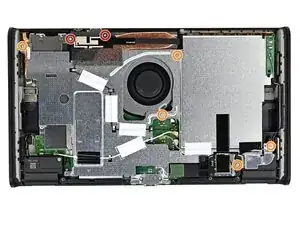
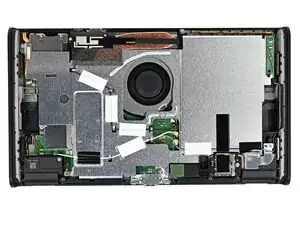
    • Use a JIS 00 driver to remove the seven screws securing the shield plate:

    • Two 6.2 mm‑long silver screws

    • Five 4.4 mm‑long silver screws

  27. V3w363uMCVAgIbCw
    V3w363uMCVAgIbCw
    6MGPPF63BbMhVDMp
    HBpyqYLfivWONNgf
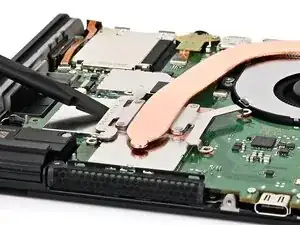
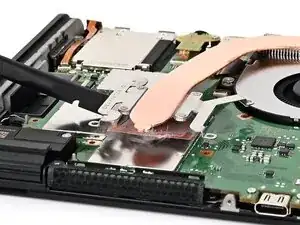
    • Insert the flat end of a spudger between the shield plate and the processor's heat sink, next to the square (⛶) marking on the shield plate.

    • Twist the spudger to lift the shield plate and separate the thermal putty bonded to it. Keep lifting the shield plate until you don't feel resistance.

  28. MjfijmcCnISrMyBJ
    MjfijmcCnISrMyBJ
    QW3Bfoix1WgRqNLD
    QdnpOBHaba52xkcB
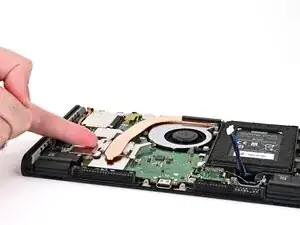
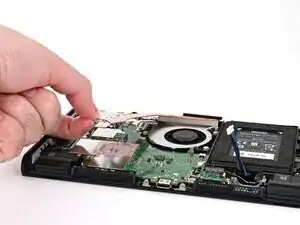
    • Lift the left edge of the shield plate to ensure it's fully separated from the thermal putty.

    • Gently set the shield plate back down.

  29. JBhpxTJNtwAdCiYs
    JBhpxTJNtwAdCiYs
    2ilKrxE4yHCDGpS1
    rukRxG3qWsJwlE2N
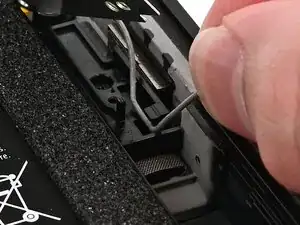
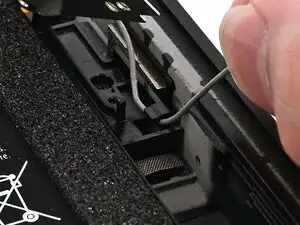
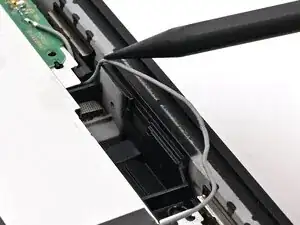
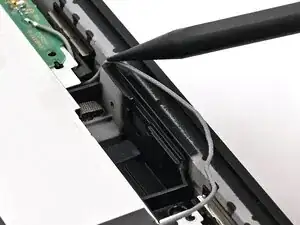
    • Insert one arm of angled tweezers underneath the gray antenna cable at the bottom-right corner of the console.

    • Lift the cable out of the black clip securing it to the frame.

  30. P6O6YGUEKW1OJdSk
    P6O6YGUEKW1OJdSk
    DyDJTVrhdclhCHWK
    iCLA4uhQPBRsDH1e
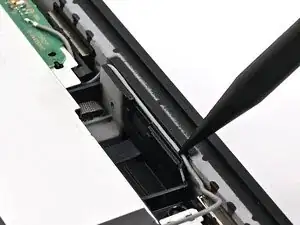
    • Unroute the gray antenna cable from its channel along the right edge of the console.

  31. MRYYVyKo2rD3LmAQ
    MRYYVyKo2rD3LmAQ
    xPS41OHOvOEYFKVP
    • Lift and slide the shield plate away from the right edge of the console until the gray antenna cable is completely free.

  32. SCkg4gMqMOo5UCZe
    SCkg4gMqMOo5UCZe
    CjnnRkpCrujacoSG
    • Pick up and remove the shield plate.

  33. vac1WpOCE5meWfcx
    vac1WpOCE5meWfcx
    JnSa4jH4SP212wPj
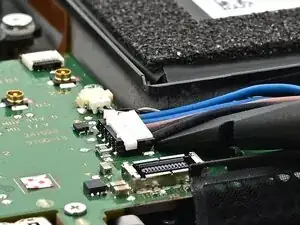
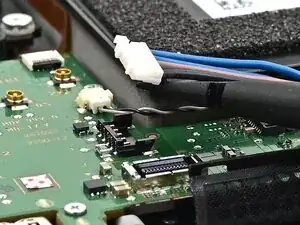
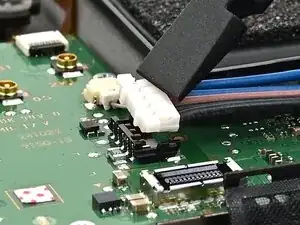
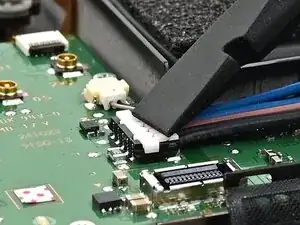
    • Insert the flat end of a spudger underneath the flat-topped battery connector, located next to the battery, and pry up to disconnect it.

  34. Ux1iIrOdeVG5efPg
    Ux1iIrOdeVG5efPg
    6HF6QJGDRJOQoMww
    QoAr3hmI5NybUc11
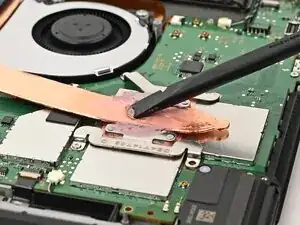
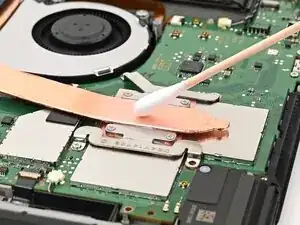
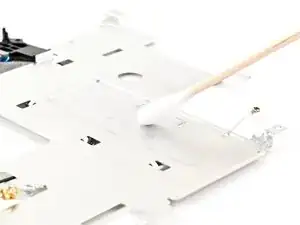
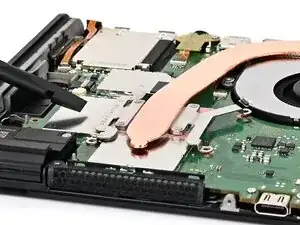
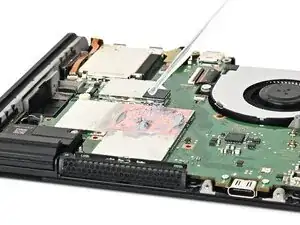
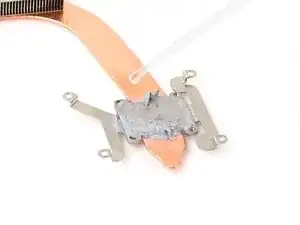
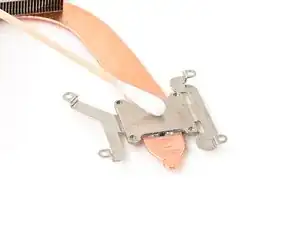
    • If you don't have replacement thermal putty, use the flat end of a spudger to distribute the old putty evenly across the heat pipe, as thick as possible to ensure proper contact. Repeat this process on the shield plate, then skip this step.

    • Use the flat end of a spudger to scrape off the thermal putty on top of the copper heat pipe.

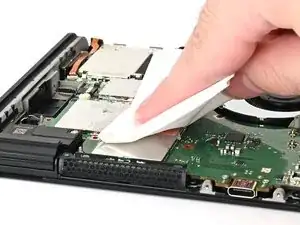
    • Apply high-concentration (90% or higher) isopropyl alcohol or thermal material remover to a cotton swab or lint-free cloth and wipe away any remaining thermal putty on both the heat pipe and shield plate.

    • Don't use a paper towel or rag, as they may scratch the shield plate.

  35. FxeaWKG6jY31ePXS
    FxeaWKG6jY31ePXS
    fTKLVXCfpJRIMDAQ
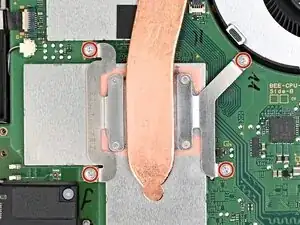
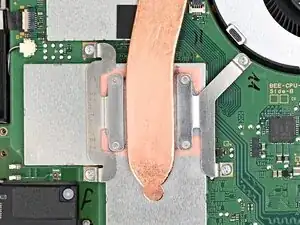
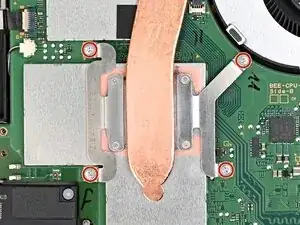
    • Use a JIS 00 driver to remove the four 3.4 mm‑long silver screws securing the heat sink.

  36. xU5pBrkc4GoJmZ4G
    xU5pBrkc4GoJmZ4G
    O5ol2pjO3YbIkR4e
    Ovtp3ZQd1GPIRqGk
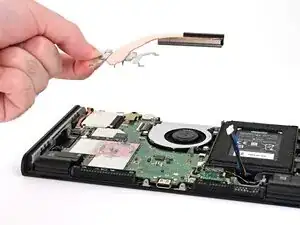
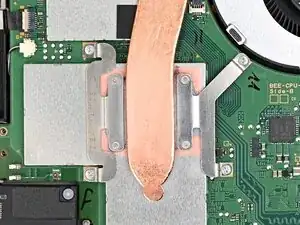
    • Insert the flat end of a spudger between the heat sink and the processor's heat spreader.

    • Twist the spudger to lift the heat sink and separate the thermal paste bonded to it.

  37. HIUTWVMHLKtOQFkH
    HIUTWVMHLKtOQFkH
    ct4WeugudXnmWIIb
    gVIUtodg6ZqggCLR
    • Lift the heat sink slowly to avoid bending its thin copper heat pipe.

    • Slowly lift the heat sink from the front, until the aluminum fin stack at the back is detached from the adhesive beneath it.

    • Remove the heat sink.

  38. isorEmoc2YST1PmT
    isorEmoc2YST1PmT
    gKRRXLEyV2yMX2AY
    EjBjOMvIIJfNBhFy
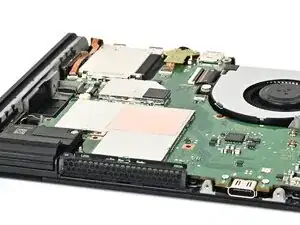
    • Use high-concentration (90% or higher) isopropyl alcohol or thermal material remover to soak the thermal paste on the processor's heat spreader for one minute.

    • Use a lint-free cloth or cotton swabs to wipe away the thermal paste.

    • Repeat this process until the processor's heat spreader is clean.

  39. EHcZJMKNOpANBwE3
    EHcZJMKNOpANBwE3
    gOWNNQxSTZchwxva
    • If you're replacing your heat sink, skip this step.

    • Repeat this process to clean the thermal paste off the bottom of the heat sink.

  40. CRyykHLHvwlPKM5y
    CRyykHLHvwlPKM5y
    prtKJljcSVchAuCP
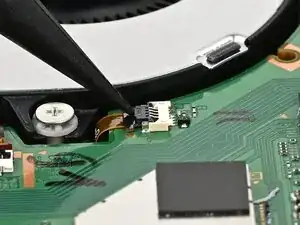
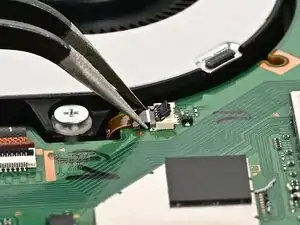
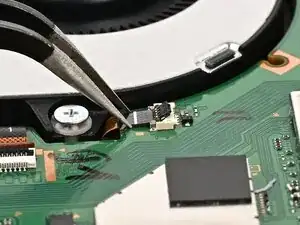
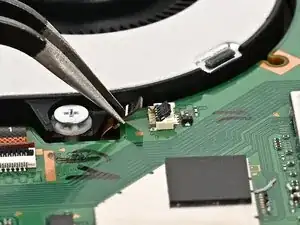
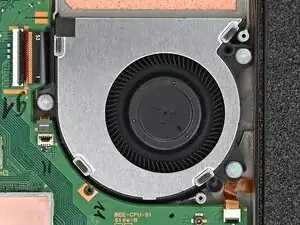
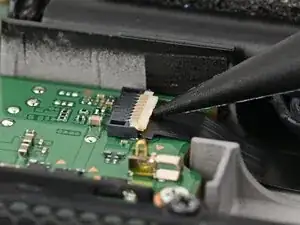
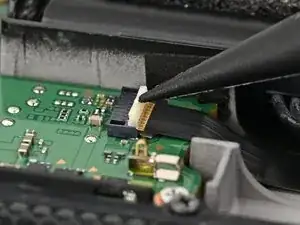
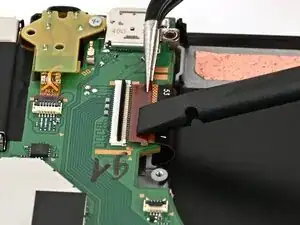
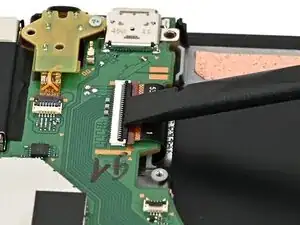
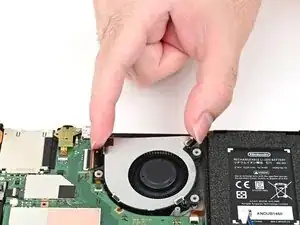
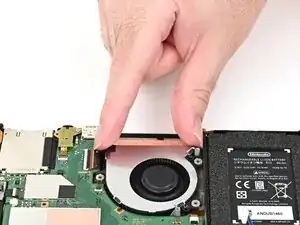
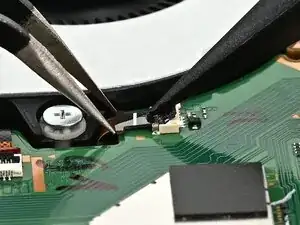
    • Use the point of a spudger to flip up the locking flap on the fan cable ZIF connector, located next to the fan on the console's board.

  41. 4QBYtvPXlANLKrBR
    4QBYtvPXlANLKrBR
    eD5DiLWVBrGjt6T2
    vFYf1nLbNDxNGeQP
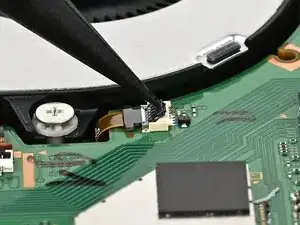
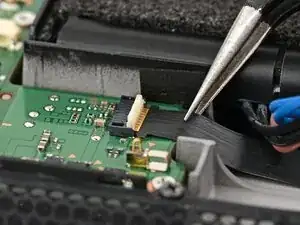
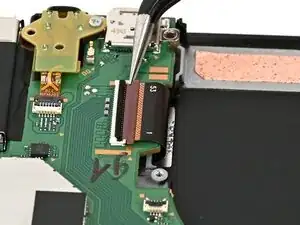
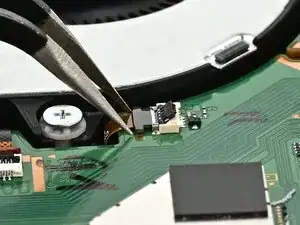
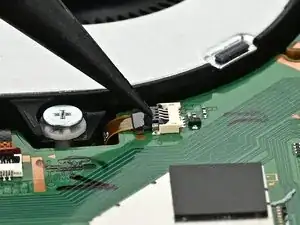
    • Use tweezers or your fingers to gently pull the cable out of its socket.

    • If you're using tweezers, pull the cable out by its "wings" instead of gripping the cable itself.

  42. N1aIEH5HFNENKevO
    N1aIEH5HFNENKevO
    D6YpjmKgyhPNSEG3
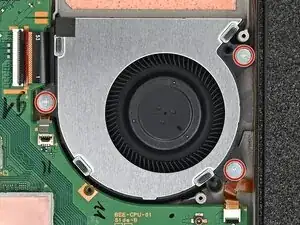
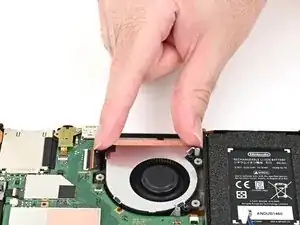
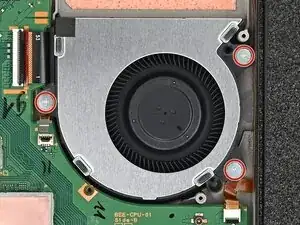
    • Use a JIS 00 driver to remove the three 5.2 mm‑long silver screws securing the fan.

  43. LYqjEdhfNLluKUoN
    LYqjEdhfNLluKUoN
    lynkDqVpQSCfqtyy
    qOvYnIopb1MAFced
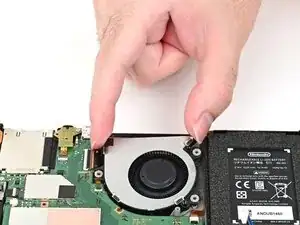
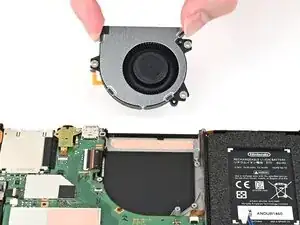
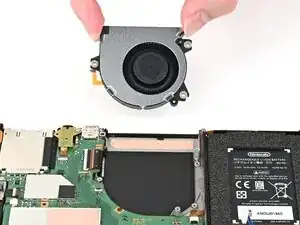
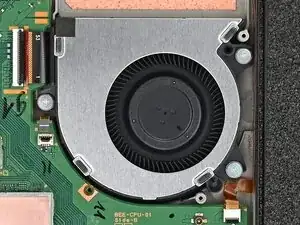
    • Slide the fan out of its recess to free its cable, then pick it up to remove it.

  44. fHnEVGXHjss4YlDl
    fHnEVGXHjss4YlDl
    PTrNZifOHtfadvKF
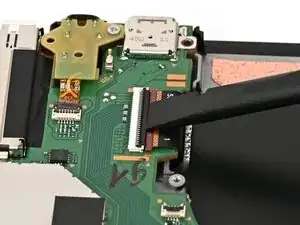
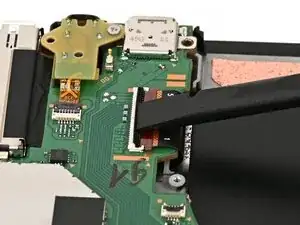
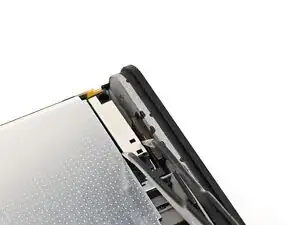
    • Use your finger or the flat end of a spudger to flip up the locking flap on the screen cable ZIF connector.

  45. luXBQg2gNd5JFu3L
    luXBQg2gNd5JFu3L
    aus3O26fycOQb6G2
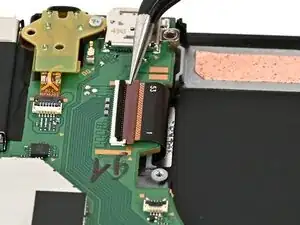
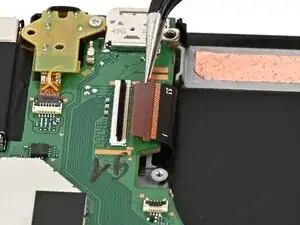
    • Use tweezers or your fingers to gently pull the screen cable out of its connector.

  46. vd1pR1QHcrLUBarX
    vd1pR1QHcrLUBarX
    HCOhPtUxulucMbux
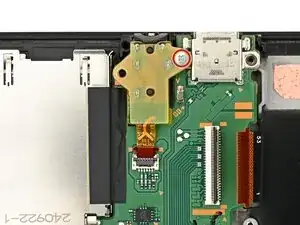
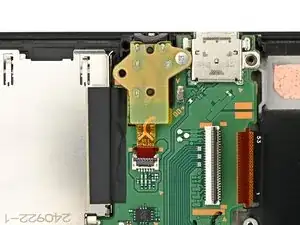
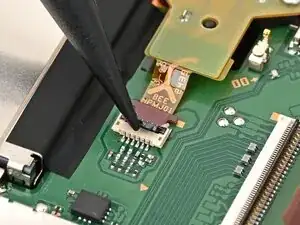
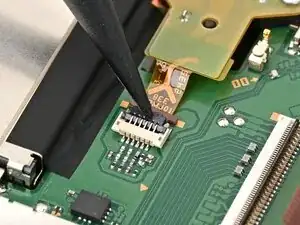
    • Use the point of a spudger to flip up the locking flap on the headphone jack ZIF connector, located on the top edge of the console's board.

  47. ipynYrXZsyqDvfvi
    ipynYrXZsyqDvfvi
    oN3HNSAiOAXWBUKq
    • Use a JIS 00 driver to remove the 6.2 mm‑long silver screw securing the headphone jack.

  48. SQRGP6T1LBt15s5j
    SQRGP6T1LBt15s5j
    bSubCoqUMmWpQRDM
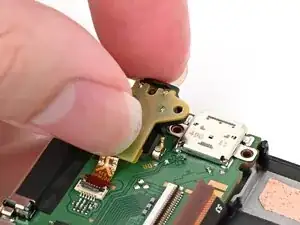
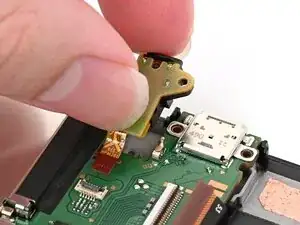
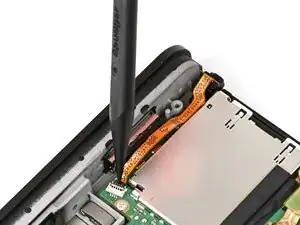
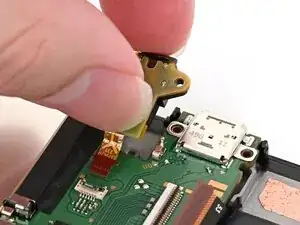
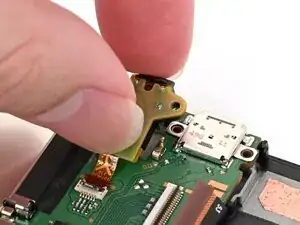
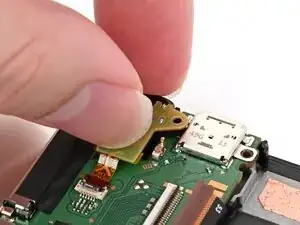
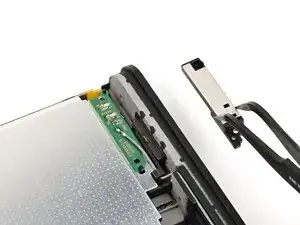
    • Pick up the headphone jack assembly and pull its cable straight out of its connector to remove it.

  49. awnQIterADJbECoA
    awnQIterADJbECoA
    rjGKoJnHJR5vB46U
    ZLdODJ2ereEOVTex
    • Follow the same procedure to disconnect and remove the microphone.

  50. UFawWV55gATL5ePn
    UFawWV55gATL5ePn
    DAtBpBFBO3H56dBi
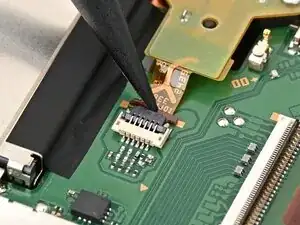
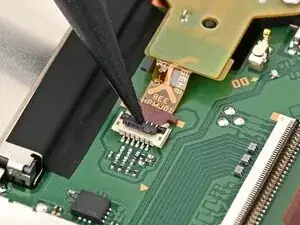
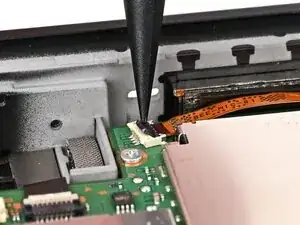
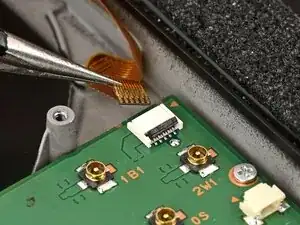
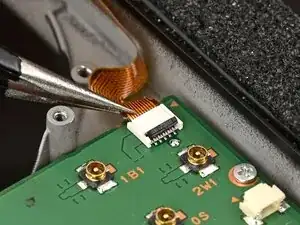
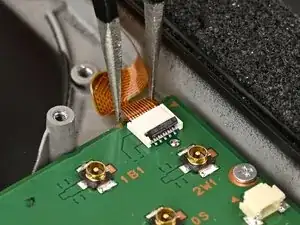
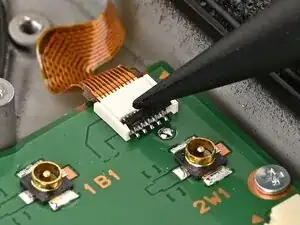
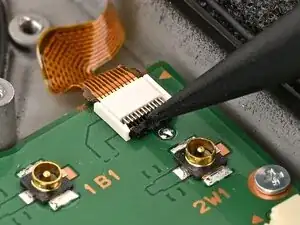
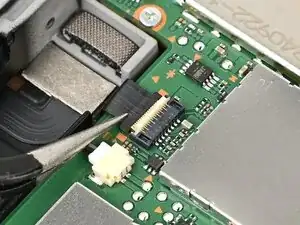
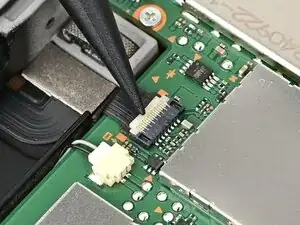
    • Use the point of a spudger to flip up the locking flap on the right Joy‑Con 2 connector cable ZIF connector, located on the edge of the console's board.

  51. dIVyTMRqATEGFJ6I
    dIVyTMRqATEGFJ6I
    DGyaDI14G43gHUcL
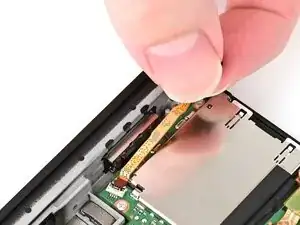
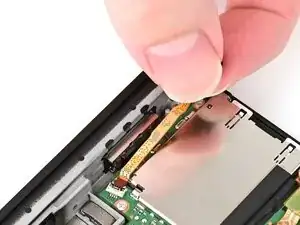
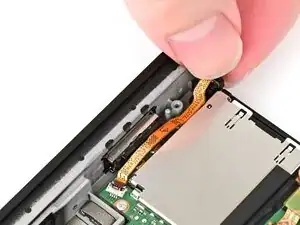
    • Use tweezers or your fingers to gently pull the cable out of its connector.

  52. pSYTOGUlfr2wtKOt
    pSYTOGUlfr2wtKOt
    LS21GVBQeDCOxeUS
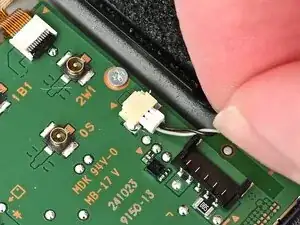
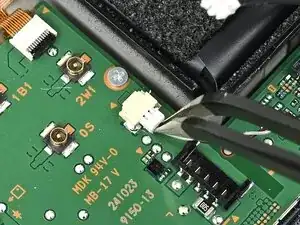
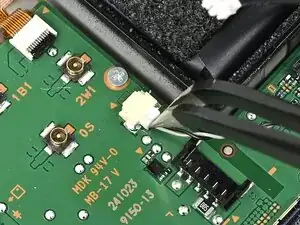
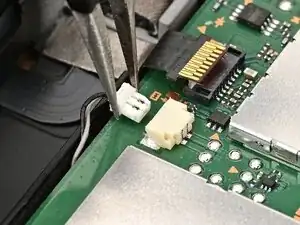
    • Use tweezers or your fingers to firmly grip the right speaker cable's white JST connector and pull straight away from its socket to disconnect it.

  53. nJJWUxJjNEl3maXA
    nJJWUxJjNEl3maXA
    tey4LbFfdchNAOmd
    • Use the point of a spudger to flip up the locking flap on the button cable ZIF connector, located next to the battery.

  54. 1DWV4PqGgauNjY2W
    1DWV4PqGgauNjY2W
    SLo1eDy2pbpUDVLH
    • Use tweezers or your fingers to gently pull the button board cable out of its connector.

  55. pmul6PHdrImrX4rM
    pmul6PHdrImrX4rM
    XltW4QaHCyNXCHIU
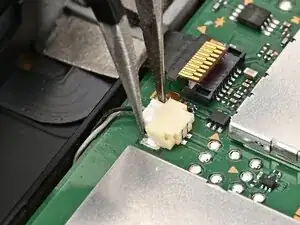
    • Use tweezers or your fingers to firmly grip the left speaker cable's white JST connector and pull straight away from its socket to disconnect it.

  56. y4L4mhgNCQgiixIG
    y4L4mhgNCQgiixIG
    gAteG5yrTYJZByhI
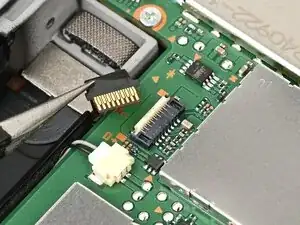
    • Use the point of a spudger to flip up the locking flap on the left Joy‑Con 2 connector cable ZIF connector, located next to the battery on the console's board.

  57. IlnP1ALYTIYu2ml1
    IlnP1ALYTIYu2ml1
    3KB1vBRspZlWFNcl
    • Use tweezers or your fingers to gently pull the cable out of its connector.

  58. yf5tlTdqynTnvEJp
    yf5tlTdqynTnvEJp
    Mh5MMKLZENGlUL2Z
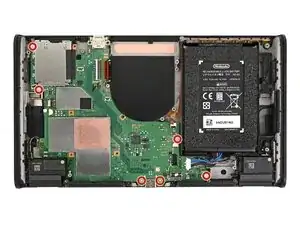
    • Use a JIS 00 driver to remove the six 3.4 mm‑long silver screws securing the board.

  59. yNittnyj1NKNwZVt
    yNittnyj1NKNwZVt
    JYRG4qXbrGtvgGgJ
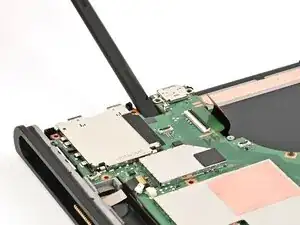
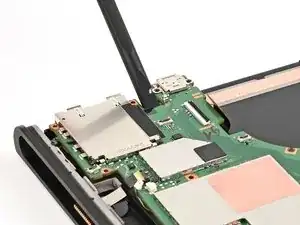
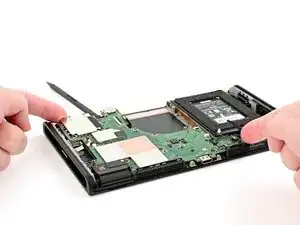
    • Use the flat end of a spudger to lift the board off the frame from the headphone jack cutout.

  60. xtI3glMDHiHXe4fA
    xtI3glMDHiHXe4fA
    2iLkUIFCOXnYaNaj
    evdoaY1etCKvxpMA
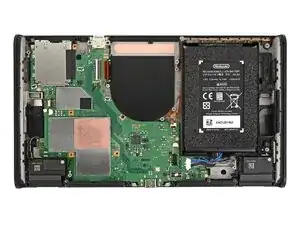
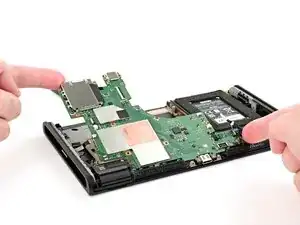
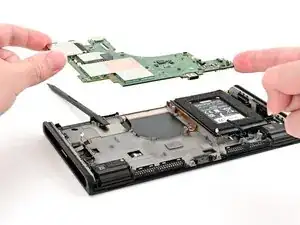
    • Lift the top edge of the board, then the bottom, to remove it.

  61. joqvyGxvAljqRWdk
    • Congratulations on completing disassembly! The remaining steps will show how to reassemble your console.

  62. lMrvMIcNTqJTsLH3
    lMrvMIcNTqJTsLH3
    FTCGyIhSlT4S4F4R
    CoTYYUDoveSvJxoS
    • Place the board into the console at an angle so it sits underneath the metal grilles on the bottom edge of the console.

    • Use your fingers or a spudger to bend all the ribbon cables away from the board so they aren't stuck beneath it.

    • Lower the board into the console.

  63. pCO6j1Fm6YQPvHgA
    pCO6j1Fm6YQPvHgA
    gRD1ZMHLe55ZEgNi
    • Use a JIS 00 driver to install the six 3.4 mm‑long silver screws securing the board.

  64. UKfYiAqOwjREggPo
    UKfYiAqOwjREggPo
    QtYvq6pTpSkBesMS
    fpJ2RCwoMRfmDQL2
    • Use tweezers to insert the left Joy‑Con 2 connector cable into its ZIF connector on the board until it's fully seated.

    • Use your finger or a spudger to flip the hinged locking flap down to secure the cable.

  65. YhfYDC2jCFQpiKrV
    YhfYDC2jCFQpiKrV
    Vd2BNVVr2JNlu3Fe
    pdxYJg6JHxpXGpiT
    • Align the left speaker cable's white JST connector with its socket on the board.

    • Use tweezers or your fingers to fully seat the connector into its socket.

  66. cNuhgoeXpZMkHGtY
    cNuhgoeXpZMkHGtY
    n3ETYIC2IwcPmJdV
    ZrXpE332G5DFkpDV
    • Use tweezers or your fingers to insert the button board cable into its ZIF connector.

    • If you're using tweezers, push on the cable's "wings" to ensure it's fully seated.

  67. EvZdc1P2AKtKVqMb
    EvZdc1P2AKtKVqMb
    GoN1RCEXq6ykTDf3
    • Flip the hinged locking flap down to secure the button board cable.

  68. bC1V3r3YT6aboHVY
    bC1V3r3YT6aboHVY
    BFvAgFPJK21Nnhyg
    • Align the right speaker cable's JST connector with its socket on the board and push it in until it's fully seated.

  69. vYUbPcITrJR2aCDb
    vYUbPcITrJR2aCDb
    LllilqTt1WcHodGY
    rTggtdH1XYaTWSiW
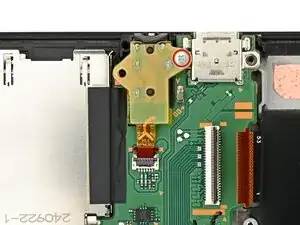
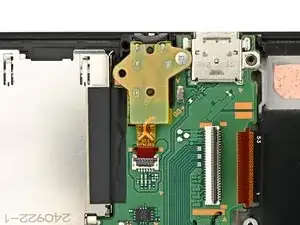
    • Use tweezers to insert the right Joy‑Con 2 connector cable into its ZIF connector on the board until it's fully seated.

    • Flip the hinged locking flap down to secure the cable.

  70. MDX1GUjLxVEp5f3P
    MDX1GUjLxVEp5f3P
    62nsBhQpcGAA2JIC
    XNa6kXICdsjA5dO1
    • Insert the microphone cable into its ZIF connector, then set the microphone into its slot in the frame.

    • Flip the hinged locking flap down to secure the microphone cable.

  71. DKTBcoRv2VLGM3rI
    DKTBcoRv2VLGM3rI
    QnyEnCl6dlrOnldq
    v2g6wQUTACYcaJK6
    • Guide the headphone jack cable into its connector, then set the assembly into its recess in the frame.

  72. VQKyru2xb4OGJ51o
    VQKyru2xb4OGJ51o
    MBHUQmfgPscjZOQ2
    • Use a JIS 00 driver to install the 6.2 mm‑long silver screw securing the headphone jack.

  73. g3bwM6xQFlvitrEO
    g3bwM6xQFlvitrEO
    yJIMumRfUyK5pkEb
    • Flip the hinged locking flap down to secure the headphone jack cable.

  74. 5rhrQsXEJAW2KSEW
    5rhrQsXEJAW2KSEW
    BRBBPDbOmcHnlLbh
    aS3wDhumZpZgQWfS
    • Use tweezers or your fingers to slide the screen cable into its ZIF connector until it's fully seated.

    • If you're using tweezers, you can use the flat end of a spudger to help guide the cable into its connector.

    • Flip the hinged locking flap down to secure the cable.

  75. PeAD6vdLJEUpeXIv
    PeAD6vdLJEUpeXIv
    oJNbAMS2WYojGAPU
    CFf42rkhTYYVUg3y
    • Slide the fan into its recess. Ensure its cable slides underneath the edge of the board.

    • Align the fan with its screw posts on the frame.

  76. fRWASZxFJq3RcNuE
    fRWASZxFJq3RcNuE
    h32lUnmvDwgYnkp3
    • Use a JIS 00 driver to install the three 5.2 mm‑long silver screws securing the fan.

  77. FWSAlgdC6pI4wHcs
    FWSAlgdC6pI4wHcs
    TuxFBgBTHuPOMnx1
    EWRC3pY2bhcC5k5I
    • Use tweezers or your fingers to slide the fan cable into its ZIF connector until it's fully seated.

    • If you're using tweezers, you can use a spudger to help guide the cable into its connector.

    • Flip the hinged locking flap down to secure the cable.

  78. mTUjpkdIKEVoxG5f
    mTUjpkdIKEVoxG5f
    TUdnrROdgtDsQgOI
    QYssKcvmZlvdRJKD
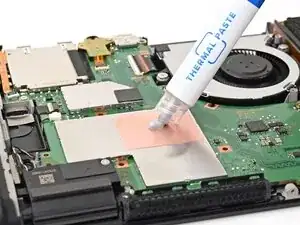
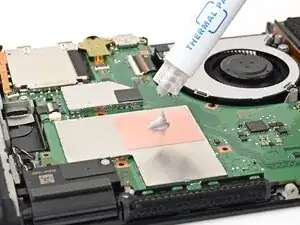
    • Apply a bead of new thermal paste to the center of the processor's copper heat spreader, roughly the size of a pea.

  79. F1tkWPMBDQiECB45
    F1tkWPMBDQiECB45
    HqNBajSbb2PHyPWo
    BiVC3JwcbN6V4mFy
    • Set the heat sink's aluminum fins into its recess behind the fan, then lower the heat sink onto the board.

  80. OtMW3qDcjDslfmOn
    OtMW3qDcjDslfmOn
    PN61lZaEPbyOQ3xU
    • Use a JIS 00 driver to partially install the four 3.4 mm‑long silver screws securing the heat sink.

    • Tighten the screws in an X pattern. For example: bottom left, top right, bottom right, then top left.

  81. bwdoZogPBUUHHlB3
    bwdoZogPBUUHHlB3
    6XfShaGovCkxPRD6
    • Align the battery connector over its socket on the board.

    • Use your finger or the flat end of a spudger to press the battery connector onto its socket until it's fully seated.

  82. eHOfRJar42UuEDTv
    eHOfRJar42UuEDTv
    Qy2PJfNZRqIlDmFW
    vCuionWKSeZTeOXP
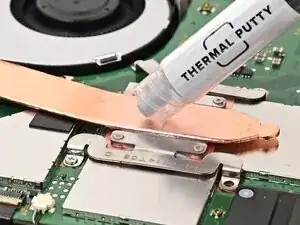
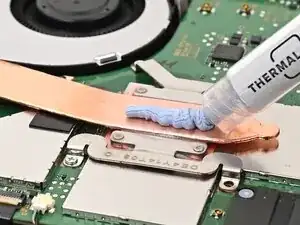
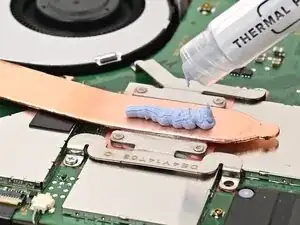
    • Apply a line of new thermal putty down the center of the heat pipe, roughly the thickness of a pea.

  83. rJxdXHshoL3XQgCv
    rJxdXHshoL3XQgCv
    CB4DvsvmMW2HZ1p2
    rYgSbJtaRAXOrLRL
    • Hold the top‑right corner of the shield plate above the top‑right corner of the console.

    • Route the gray antenna cable underneath the black hook near the top corner of the frame.

    Make sure to re-connect the lithium ion battery connector (disconnected in step 33) before putting the shield plate back on!!

    GirlNamedMaggie -
    The guide has been updated. Thank you!

    Nick Schultz -
  84. eaLvDSwrk1JM1SKq
    eaLvDSwrk1JM1SKq
    oEmmhMxHIyLNxgKE
    • Lower the shield plate into place and align it with its screw holes.

  85. LLJvXT1LG1xLhry6
    LLJvXT1LG1xLhry6
    kqcqg4rXQhWicPkB
    nFJvVTSqtJ6ldEH2
    • Route the gray antenna cable down its channel on the right edge of the frame.

  86. rVLThVicVNCmIM1O
    rVLThVicVNCmIM1O
    GtTJpuhObako6F6E
    PB1t2GJePnfXEaED
    • Press the gray antenna cable into its groove at the bottom of its channel, and continue routing until it's secured to the clip at the bottom of the frame.

  87. rY3R5w3DISZi5WTB
    rY3R5w3DISZi5WTB
    f41XCLeAhMGFPqOD
    • Use a JIS 00 driver to install the seven screws securing the shield plate:

    • Two 6.2 mm‑long silver screws

    • Five 4.4 mm‑long silver screws

  88. ELplHNShBRsC42YS
    ELplHNShBRsC42YS
    kl6RTHMNaGFLWGnk
    • Use your finger or the flat end of a spudger to press the MicroSD card reader press connector onto its socket on the board.

    • Don't try to force the connector into place. If you're having trouble, reposition it and try again.

  89. kcHbMoCPIePqxuAK
    kcHbMoCPIePqxuAK
    GeUTbSJQQ2pLKjca
    CiABLTY1uWCxKVS1
    • Use tweezers to hold the lower antenna coaxial connector in place over its socket and gently press down with your finger or a spudger—the connector should "snap" into place. If you're having trouble, reposition the head instead of using more force.

    • Repeat this process to connect the three central coaxial connectors to their respective sockets.

    • The black cable connects to the socket closest to the fan, the white to the middle, and the gray the furthest away.

  90. RyoavYxAmaFuHn1h
    RyoavYxAmaFuHn1h
    Yo3dSGTOgCFM5sRS
    DO2P1qw2oHbpru2e
    • Use tweezers or your fingers to align the upper antenna with its screw holes and black alignment pegs and set it into place.

    • Use a JIS 00 driver to install the two screws securing the upper antenna:

    • One 4.4 mm‑long silver screw

    • One 4.6 mm‑long green screw

  91. EnX6ME1IVWfILCFs
    EnX6ME1IVWfILCFs
    euIIYJRAK2JGEFZ4
    AtyZKy4pD4p6O4C2
    • Use tweezers or your fingers to align the lower antenna with its screw holes and gray alignment pegs and set it into place.

    • Use a JIS 00 driver to install the three 4.4 mm‑long screws securing the lower antenna.

  92. pjGoYIMeLVmy1UvQ
    pjGoYIMeLVmy1UvQ
    3QuAVGxoVkLJAutr
    XaA2wtFDKsCKjpGW
    • Fully pull out the game card tray.

    • Double-check the power and volume buttons to ensure they're seated correctly. If the rubber membrane beneath the buttons is out of place, ensure it's aligned with its pegs.

    • Check the microphone to ensure it's fully seated in its slot in the frame.

  93. sSyULZE5yvE6kQLS
    sSyULZE5yvE6kQLS
    aKWKHfsLgGKvrZRp
    LmvcHTVaG3uF1BnZ
    • Align the top of the back cover with the top of the console.

    • Set the top edge of the back cover into place, checking the buttons and ports to ensure they're aligned properly. If they aren't, lift the back cover and try again.

    • Press along the top edge to fasten the clips securing the back cover to the console.

  94. DT64xZbXdxJfjZYW
    DT64xZbXdxJfjZYW
    PKuZdnNTaT1cvy2V
    • Squeeze the rest of the back cover and console together to fasten the clips.

  95. RnlwvPPTcBxlp3Mc
    RnlwvPPTcBxlp3Mc
    gQEivitJcMgvO6hy
    5R1bMuQkx6bZWrNa
    • Use a JIS 00 driver to install the three 3.1 mm‑long screws securing the back cover: one on the top edge of the console, and two on either side of the bottom USB-C port.

    • Use a Y00 driver to install the two 4.4 mm‑long screws in the kickstand cutout.

  96. cZ2jKSfXSxgXEuQL
    cZ2jKSfXSxgXEuQL
    Aob1o2jGToYPQD1q
    • Install the two 3.6 mm‑long gold screws on each side of the console (four in total).

  97. SAON1nUn2dJvZvWO
    SAON1nUn2dJvZvWO
    YsnER4viWUJvbNV5
    • Power on the console and test functionality to ensure it's working as expected.

  98. x1YrSApBUaLMVSjQ
    x1YrSApBUaLMVSjQ
    yxOooYlXQJgsavwD
    ExwPA1ihlwYNPaQU
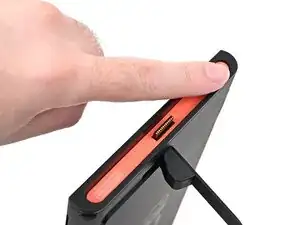
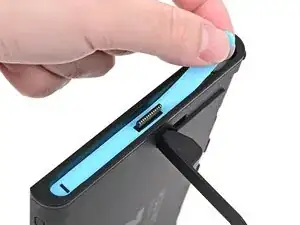
    • Align the right side sticker with its recess. Ensure the cutout in the sticker is aligned with the Joy-Con connector.

    • Set the sticker into its recess, first on one side, then the other.

    • Use your finger or the flat end of a spudger to press the sticker into place.

    • If the sticker isn't sticking well, apply heat after you press it into place.

  99. DMSbsh2jifYxVTYr
    DMSbsh2jifYxVTYr
    UkifYsMS3XLXNjj1
    NrAcZGVWIrSFWsXM
    • Repeat this procedure to install the left side sticker.

Conclusão

You finished fixing your Switch 2!

Take your e-waste to an R2 or e-Stewards certified recycler.

Repair didn’t go as planned? Try some basic troubleshooting, or ask our Nintendo Switch 2 Answers Community for help.

Nick Schultz

Membro desde: 24/03/24

45909 Reputação

0 comentários