Introdução
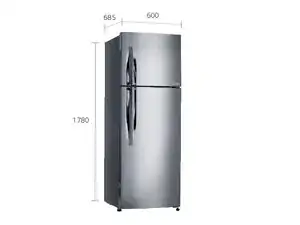
LG refrigerators rely on consistent airflow between the freezer and refrigerator compartments. When frost develops around the evaporator cover or when vents get blocked, cold air circulation drops, and temperatures rise. This technique provides safe, user-level steps to clear airflow pathways, reset sensors, and help the refrigerator return to normal cooling performance. For model-specific diagrams or control panel layouts, you can check the LG refrigerator manual available on ManualsLibraryy.
Step 1 — Check for Blocked Air Vents
- Open the refrigerator and freezer compartments.
- Locate the air vents along the back and side walls.
- Move food items or containers away from these vents.
- If you see frost or ice buildup covering the vents, continue to Step 2.
- Blocked vents reduce airflow and cause temperature inconsistencies.
Step 2 — Clear Frost or Ice Buildup
- Unplug the refrigerator from the outlet.
- Remove items from the freezer.
- If frost is light, let it melt naturally for 15–20 minutes.
- For heavier frost, place a bowl of warm water inside and close the door for a few minutes to loosen ice.
- Gently remove softened frost using a plastic scraper.
- Avoid heat guns, sharp tools, or high-heat hair dryers — LG’s interior panels can warp or crack.
Step 3 — Perform a Soft Reset
- Leave the fridge unplugged for another 10–15 minutes.
- This allows sensors and the control board to reset.
- Reconnect the power and wait for the compressor and fan to start.
- After a few minutes, check for airflow from the vents in both compartments.
- A soft reset often restores proper fan function after airflow obstructions.
Step 4 — Clean and Inspect Door Gaskets
- Wipe the door gaskets with warm soapy water.
- Check for debris, gaps, or areas that don’t seal properly.
- Close the door on a piece of paper — if it slides out easily, the seal may be weak.
- A poor seal allows warm air in and encourages frost buildup.
Step 5 — Check Temperature Recovery
- Set the freezer to around –18°C (0°F) and the fridge to 3–4°C (37–40°F).
- Let the fridge run for 30–45 minutes.
- Feel the airflow and use a thermometer if available.
- Cooling should improve steadily if frost or blockages were the cause.
Conclusion
These techniques help resolve common LG refrigerator cooling issues related to airflow, frost buildup, and sensor misalignment — all without opening internal panels or handling electrical components. If you need diagrams for your specific model or want to confirm part locations, you can refer to the LG refrigerator instruction manual on ManualsLibraryy.
To reassemble your device, follow these instructions in reverse order.

0 comentários