Introdução
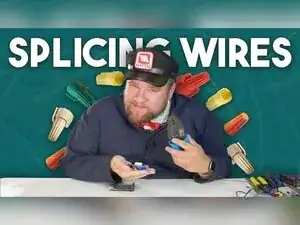
Loose, broken, or modified wiring can stop an appliance from heating, cooling, or running safely, and traditional splices can be bulky or unreliable in tight spaces. This guide shows beginner-friendly ways to join two wires or tap into an existing wire using screw-together Posi-Lock and Posi-Splice connectors, plus piercing-style Posi-Tap connectors, and compares them to wire nuts and inline butt splices.
Ferramentas


Peças
-
-
Unplug the appliance or turn off the breaker before touching any wiring.
-
Expose only the wiring you need, and keep track of wire colors and locations.
-
-
-
Use an end-to-end connector when you’re joining two wire ends into one continuous line.
-
Use a tap connector when you need to add a second wire onto an existing wire without cutting the main line.
-
-
-
Strip the ends of two wires, insert both stripped ends into a wire nut, and twist the cap until tight.
-
Use wire nuts when you have plenty of room and the connection won’t be easily tugged or bumped.
-
-
-
Insert one stripped wire end into one side of an inline butt splice, and crimp it with a crimping tool or very strong pliers.
-
Insert the other stripped wire end into the other side, and crimp it the same way.
-
-
-
Unscrew the connector, and separate it into its collars and the center post section.
-
Slide a collar onto the first wire, twist the exposed strands tightly, and push the wire into the center post as firmly as you can.
-
Screw the collar into the center post until snug to lock the first wire in place.
-
Repeat the process with the second wire on the other side of the connector.
-
-
-
Unscrew the Posi-Tap body to expose the U-channel and the pin section.
-
Set the main wire into the U-channel so the connector wraps around the wire jacket.
-
Screw the pin section down as tight as you can until it stops, so the pin pierces the wire’s insulation and contacts the conductor.
-
-
-
Remove the branch-wire collar, insert the stripped and tightly twisted branch wire into the post section, and slide the collar onto the wire.
-
Screw the collar into the post section until snug to lock the branch wire in place.
-
Repeat the same tap-and-attach process for the second conductor when you’re adding a two-wire component, such as a heater.
-
-
-
Open the connector lid to expose the channel, and lay the main wire into place.
-
Snap the connector shut to hold the main wire, then insert the branch wire into either side of the connector.
-
Press the metal clip down until fully seated so it cuts into the insulation and makes the electrical connection.
-
-
-
Use Posi-style connectors when you want a strong splice without specialty crimp tools.
-
Use Scotchlok-style taps when you want an inline, sealed tap and you can press the clip down properly.
-
Use wire nuts when space allows, such as locations where bulk isn’t an issue.
-
-
-
Redo any connection that pulls apart easily, and make sure the wire strands are tightly twisted and fully captured before tightening.
-
Use a correctly sized collar or connector if the wire won’t seat well or the splice won’t tighten securely.
-
Route the wiring so it won’t rub on metal, and reassemble the appliance before restoring power.
-
A reliable splice is tight, inline when possible, and passes a firm tug test without slipping. If a splice looks bulky for the cavity or seems easy to pull apart, redo it before powering the appliance back on.