Introdução
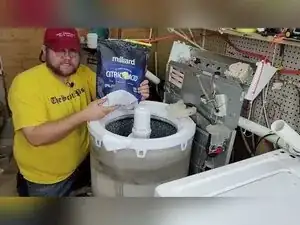
If a washing machine smells bad, leaves residue on laundry, or shows mold and soap scum buildup, the problem is often inside the tub and drain path, not on the exterior. This guide shows a cheap, more natural cleaning method using citric acid and a small amount of oxygenated bleach to break down soap scum and odor-causing buildup in both top-load and front-load washing machines.
Ferramentas

-
-
Empty the washing machine so no clothes or detergent are in the tub.
-
Run the cleaning with a cycle that maximizes wash time, because longer contact time helps the solution work better.
-
-
-
Use citric acid powder as the primary cleaner.
-
Use oxygenated bleach powder (often sold like OxiClean, including generic versions) as the booster ingredient.
-
Measure a heavy-clean dose of one cup of citric acid for a dirty washer.
-
Measure a small dose of oxygenated bleach, roughly about one tablespoon up to about one quarter cup.
-
Measure a lighter maintenance dose of about one half cup of citric acid if the washer is already in decent shape and you clean it often.
-
-
-
Start a normal wash cycle with the tub empty.
-
Add the measured citric acid directly into the wash tub.
-
Add the measured oxygenated bleach into the wash tub.
-
Let the washer agitate so the solution mixes thoroughly with the water.
-
-
-
Watch for areas that don’t get good contact with the mixture, especially at the extreme top and extreme bottom of the cabinet.
-
Fill the washer slightly with water and let the mixture soak to help break up debris at the bottom on very dirty machines.
-
Use this soaking strategy on the worst buildup, because it can clean areas a quick cycle doesn’t reach well.
-
-
-
Inspect for improvement after the cycle, because results can vary by washer condition and cycle length.
-
Repeat the cleaning with a longer wash time or soak time if the washer has a very short cycle.
-
Increase the citric acid dose if the washer uses a lot of water, because more gallons can dilute the cleaner.
-
Use up to about two cups of citric acid for an older washer that has never been cleaned and still smells or looks dirty after the first treatment.
-
Plan to remove loosened debris by hand afterward if the cycle breaks it free but doesn’t fully flush it away.
-
-
-
Scrub remaining grime with a scrub brush if buildup is still stuck after chemical cleaning.
-
Use a long, narrow brush (such as a condenser brush) to scrub between the inner and outer tubs if you can reach the area without disassembly.
-
-
-
Use citric acid regularly to prevent heavy buildup so you don’t have to scrub the machine later.
-
Add about one half cup to one cup of citric acid every two weeks to a month to keep the washer from getting stinky and scummy.
-
Use a larger dose when starting maintenance on a washer that has never been cleaned before.
-
-
-
Use approximately one third cup of citric acid and about one half teaspoon of oxygenated bleach when you want a smaller treatment aimed at drains and internal passages.
-
Run a cycle so the solution moves through the washer’s internal drain path and flushes out loosened residue.
-
If the washer still has odor or visible scum after one treatment, focus on increasing contact time with a soak, and increase the citric acid dose for high-water or heavily neglected machines. Expect some stubborn debris to need hand removal, and keep the washer clean long-term by repeating a smaller citric-acid cleaning on a regular schedule.