Introdução

Sometimes a shirt might be too boxy or big for a person's liking. This guide is designed to show a simple and effective way to cinch in the waist of a shirt, allowing it to fit more snugly.

This process will only take around 30 minutes to an hour, depending on the size of the shirt, and utilizes a hand-sewing method. The materials needed are thread, a sewing needle, scissors, a marker, and a shirt to cinch in.

  1. ugDOxxgyZEewySOg
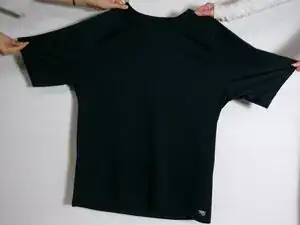
    • Choose any shirt/top you would like to tailor.

  2. XPZKxVyJMesmQ6P2
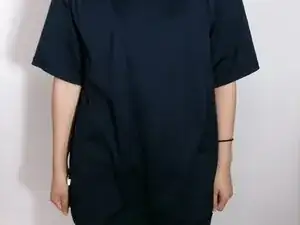
    • Flip the shirt inside out and put it on.

  3. GK3ronSFWEULGT6U
    GK3ronSFWEULGT6U
    wRTtDmgghaCbK5mg
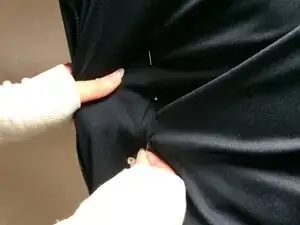
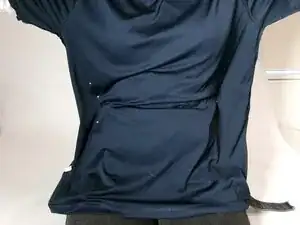
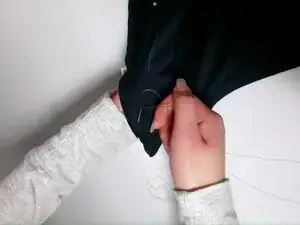
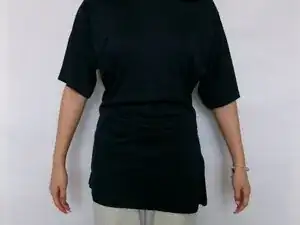
    • Gather the extra fabric around the waist and push a pin through the sides of the shirt to make it more form-fitting to your torso.

    • Do this for both sides of this shirt.

    • Watch where you push the pin in carefully and make sure to push it all the way through in an up & down motion.

  4. yyDVjnuMAjV2v1WB
    yyDVjnuMAjV2v1WB
    XCRGXZFMCAMOsKWu
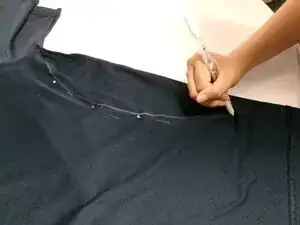
    • Carefully remove the shirt and use a white chalk or marker to draw the curve of the waist.

  5. VtGHWpKAZD1jPhsl
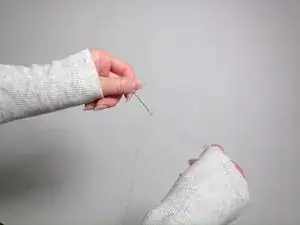
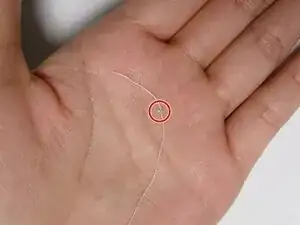
    • Pull the thread through the eye of the needle to begin stitching.

  6. vpTXTSZNcTh4ICym
    vpTXTSZNcTh4ICym
    3SRSaSdcSjUQhrVG
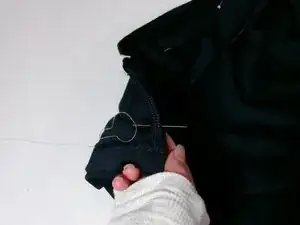
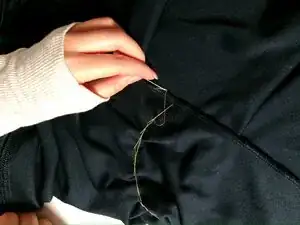
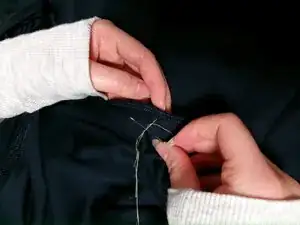
    • Tie the end of the thread into a knot by looping a hole through (as shown in the picture) and pull it tight.

    • Repeat this step 3-4 times to create a larger knot, until a visible knot forms at the end.

  7. HvTvVMPjKe3DdxP5
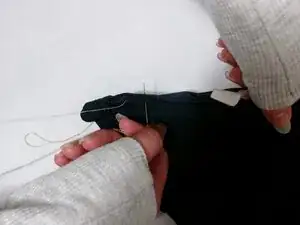
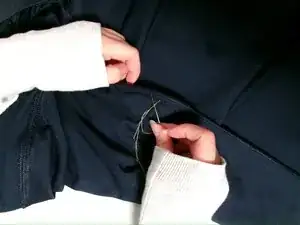
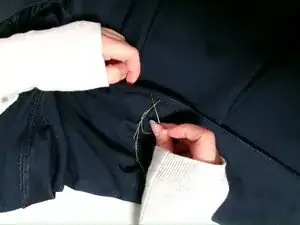
    • Start by pushing the needle through the back of the shirt to the front, sewing together the two layers of fabric.

    • As you sew, make sure to pull the thread all the way through for each stitch to avoid getting your threads all tangled up.

  8. P5dQDgWrZkiDMe6o
    • Thread the needle back through the front of the shirt, roughly 1 cm apart from the previous stitch.

  9. Prlbyt2LyemUjOpK
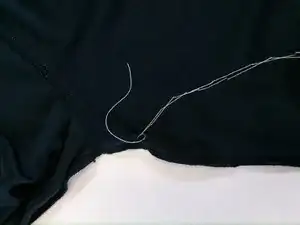
    • Thread the needle through the back of the shirt and bring the needle back to the opening of the previous stitch you made, threading it through the same hole and creating what looks like a loop.

    • This is called a back stitch.

  10. 2JcuThTC3xLnZCKZ
    2JcuThTC3xLnZCKZ
    jZeCXGyDDaqtSGKX
    • Repeat this back stitch until you reach the end of the curve you marked previously and form a continuous line.

  11. 2iDxXjeiUGHlLCtx
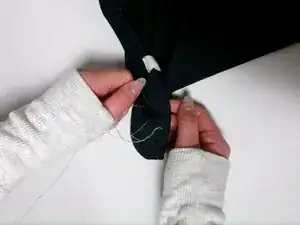
    • To end the stitch, place the needle under the last stitch on the back side of the shirt.

  12. IbfGQv2IsFnihvxY
    • Pull the needle until a loop forms, and leave a small loop (don’t close the loop all the way).

  13. gOAxQm4UhuXoK5oU
    • Pull the needle all the way through the small loop.

  14. gxZKatB26syJGw4M
    • Repeat again with the smaller loop on the right side and cut off the excess thread.

  15. NEBIqeOvObFt3ewB
    • Repeat steps 5-14 for the other side of the shirt.

  16. kCoXleHGXBW4MRan
    kCoXleHGXBW4MRan
    rDNM1FsLkf5gr6q3
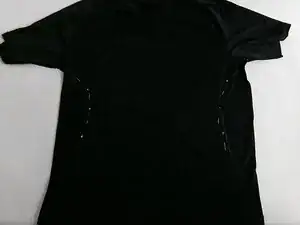
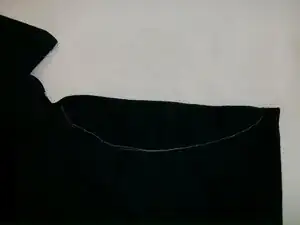
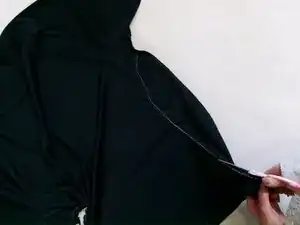
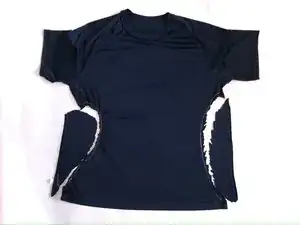
    • Cut along the excess fabric outside of the stitches.

    • After cutting off the excess fabric on both sides, the shirt should look similar to the second picture.

    • You can save the excess fabric for scraps or toss it away.

    • Do not cut into the stitches or beyond the stitched line. If you do, you will need to sew up a new stitch line.

  17. ywWMoh563lxOeKeV
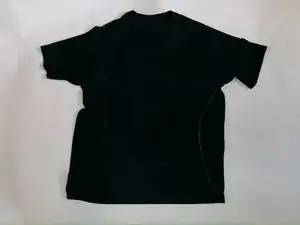
    • Flip the shirt back to the outside and try on your new cinched in shirt.

    • You're done!

Vicky

Membro desde: 04/11/25

265 Reputação

0 comentários