Introdução
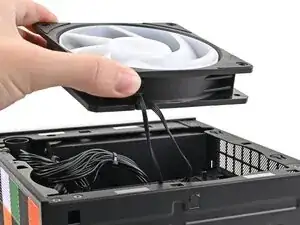
Follow this guide to remove and replace the CPU fan in your Framework Desktop.
The Framework Desktop supports a 120mm CPU fan with a standard 4-pin connector and a single 4-pin ARGB connector for compatible fans. For detailed fan requirements, click here.
If you're using your own fan, you'll need the Fan Mounting Kit, which includes the fan duct and fasteners.
This guide shows replacing a Cooler Master - Mobius 120p ARGB fan.


-
-
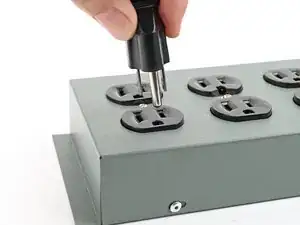
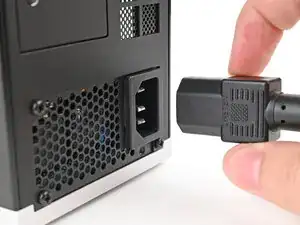
Before you begin repairs, shut down your desktop from the operating system and unplug it.
-
Wait one minute before continuing to allow your Desktop to fully power down.
-
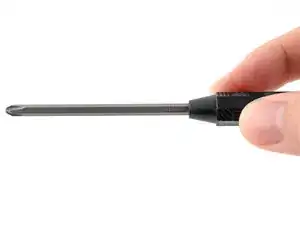
Make sure your Framework Desktop Screwdriver has the Phillips #2 bit (labeled as PH2) facing outwards. If it's not, pull the bit out and flip it.
-
-
-
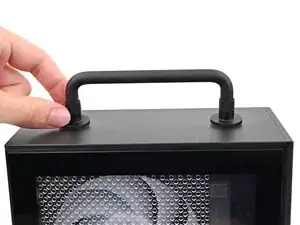
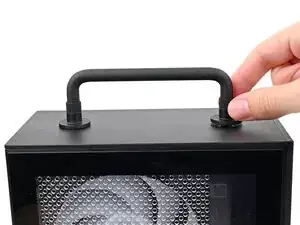
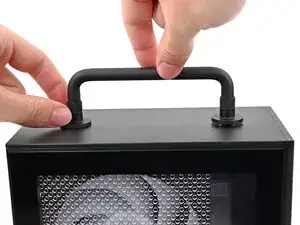
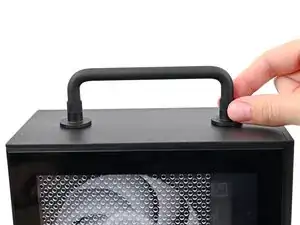
Rotate the Handle's screw threads counterclockwise on both sides until it comes free.
-
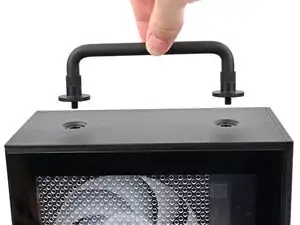
Remove the Handle.
-
-
-
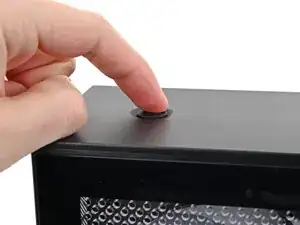
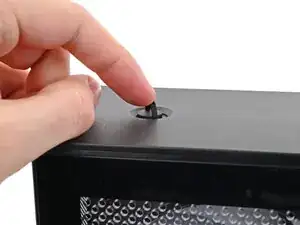
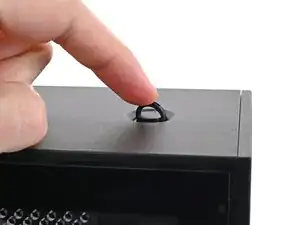
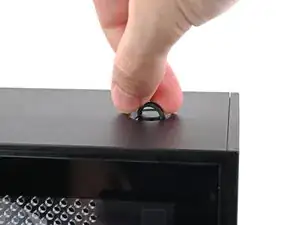
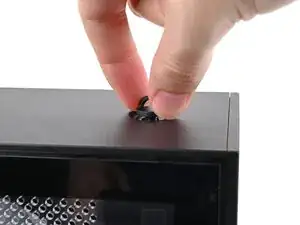
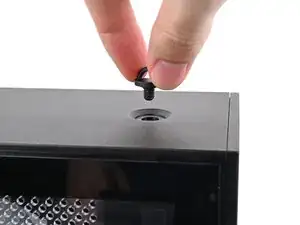
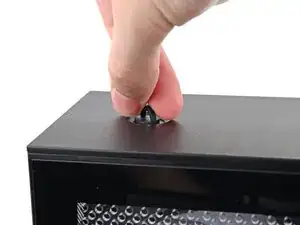
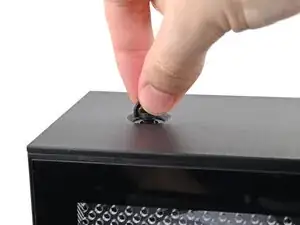
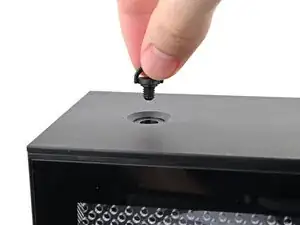
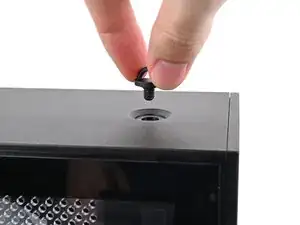
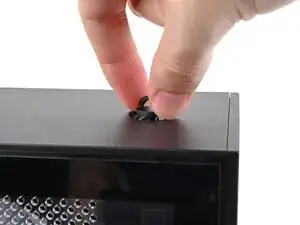
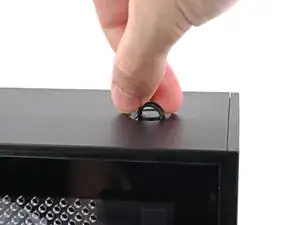
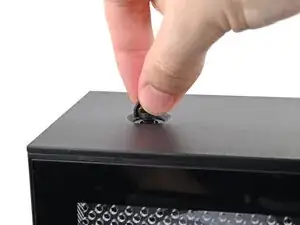
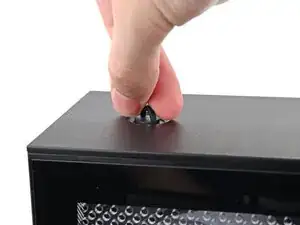
Use your fingers to twist the screw counter-clockwise and loosen it.
-
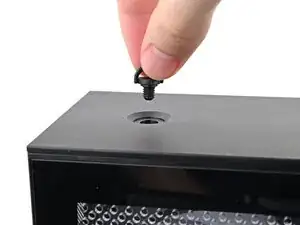
Remove the Top Panel screw.
-
-
-
Slide the Top Panel towards the rear of the computer to release the clips securing it to the chassis.
-
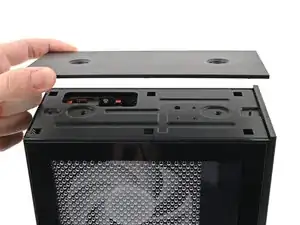
Lift the Top Panel off the chassis and remove it.
-
-
-
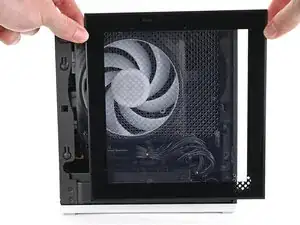
Use your fingers to grip the top of the Left Panel and slide it upward to release its clips.
-
Remove the Left Panel.
-
-
-
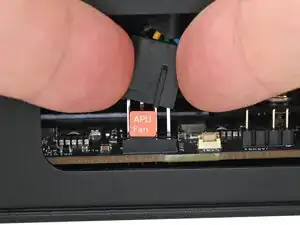
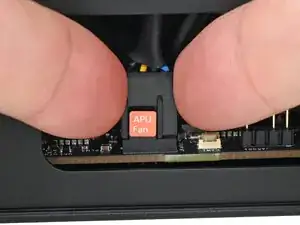
Use your fingers to lift the APU fan cable connector off its four‑pronged socket on the Mainboard.
-
-
-
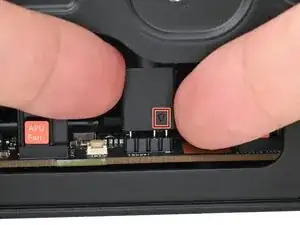
Use your fingers to lift the fan RGB cable connector off its three‑pronged socket on the Mainboard.
-
-
-
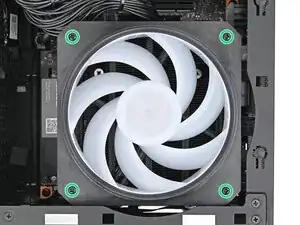
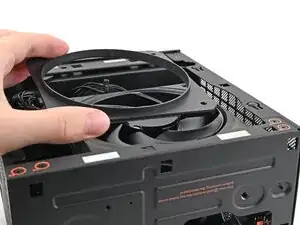
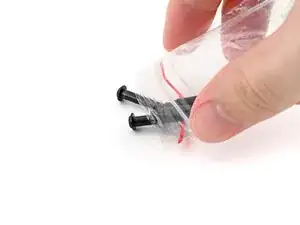
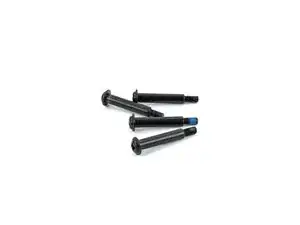
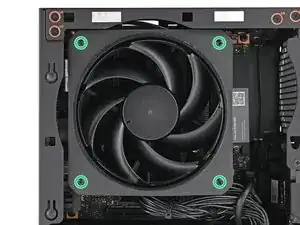
Use your Framework Desktop Screwdriver to remove the four 27.3 mm‑long Phillips screws securing the CPU fan and fan duct.
-
-
-
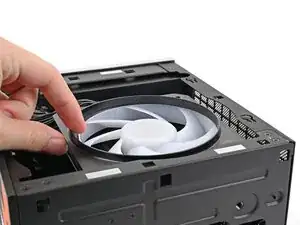
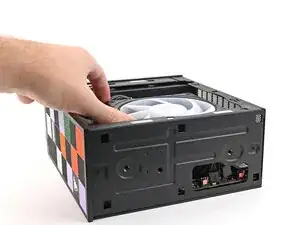
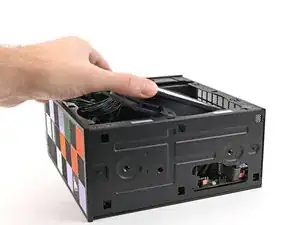
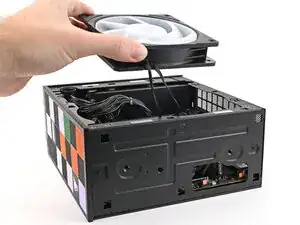
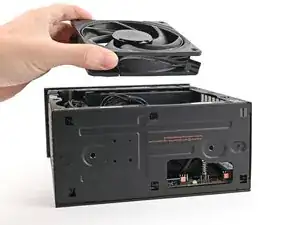
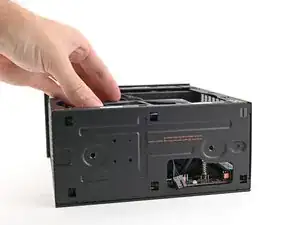
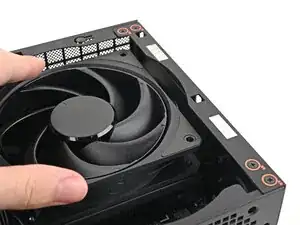
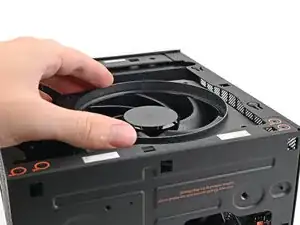
Lift the fan out of the chassis, making sure the cables thread through the side of the heatsink.
-
-
-
Congratulations on completing disassembly! The remaining steps will show how to reassemble your Framework Desktop.
-
-
-
Orient the fan so its label is facing downward and the cable(s) is pointing towards the top of the computer.
-
Lay the fan on top of the heatsink, making sure the cables are routed so they poke out of the hole on the top of the computer.
-
-
-
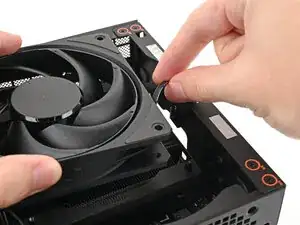
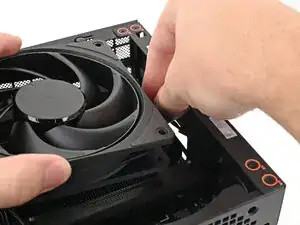
If the cables aren't routed properly, lift the fan up slightly and use your fingers to reposition the cables over the side of the heatsink.
-
-
-
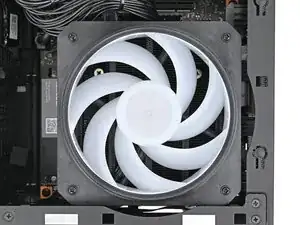
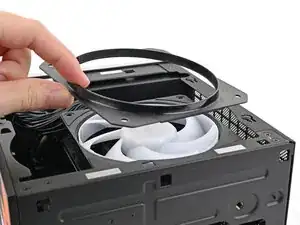
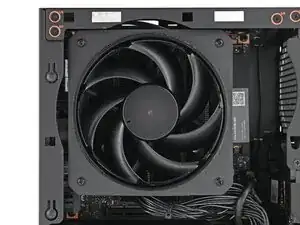
Lay the fan duct on top of the fan with the lip facing upward.
-
Align the screw holes on the fan duct with the ones on the fan.
-
-
-
Use your Framework Desktop Screwdriver to install the four 27.3 mm‑long Phillips screws securing the CPU fan and fan duct.
-
-
-
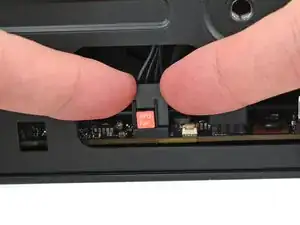
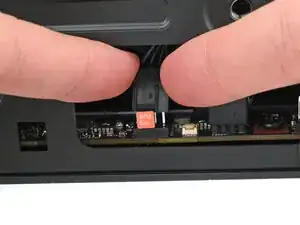
Orient the main fan cable so its two vertical lines are facing you.
-
Slide the main fan cable over the four-pronged connector labeled "APU Fan," making sure the orange label slots between the vertical lines.
-
-
-
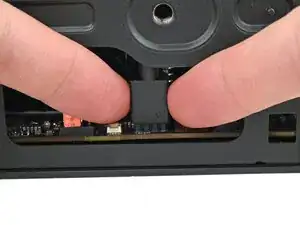
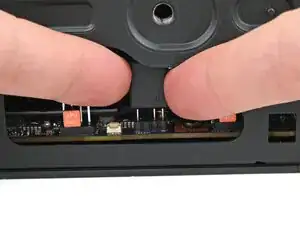
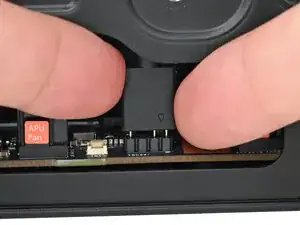
Orient the RGB cable so the arrow is on the right side of the connector.
-
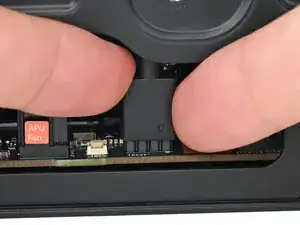
Use your fingers to slide the RGB cable over the three pronged connector located to the right of the "APU Fan" connector.
-
-
-
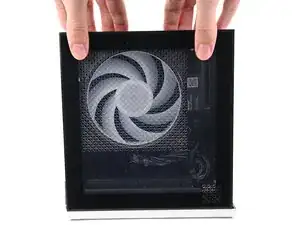
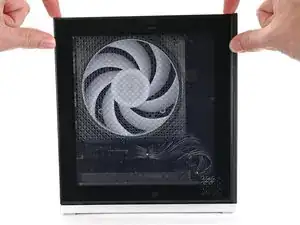
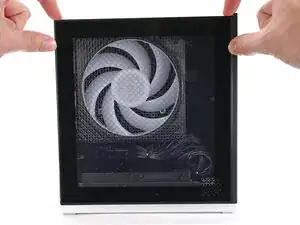
Slide the Left Panel onto the left edge of the chassis and press it flat to ensure its clips are slotted into place.
-
Push the Left Panel towards the base of the computer to close the gap and engage the clips.
-
-
-
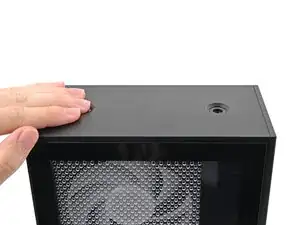
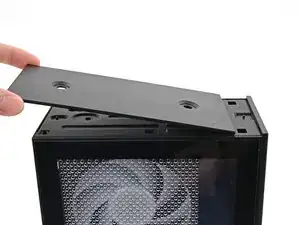
Orient the Top Panel so its arrow is pointing towards the rear of the computer.
-
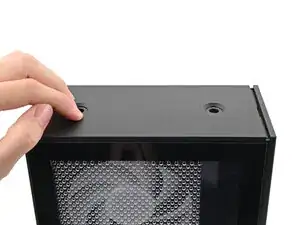
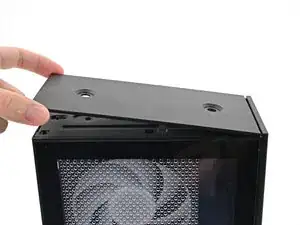
While holding the Top Panel at a slight downward angle, slide it across the top of the chassis (from rear to front) until you feel its clips catch.
-
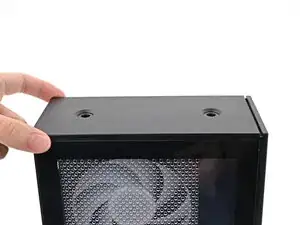
Lay the Top Panel flat on the chassis to align the remaining clips.
-
-
-
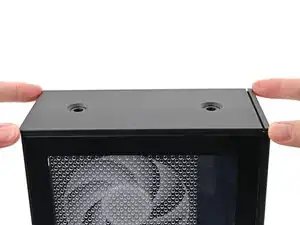
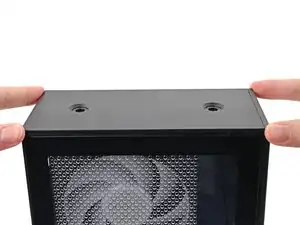
While securing the computer with one hand, use the other hand to slide the Top Panel towards the front of the computer to close the gap and engage the clips.
-
-
-
Place the Handle over the Top Panel screw holes.
-
While holding the Handle in place, twist the screw threads on both sides clockwise until they're snug on the Top Panel.
-
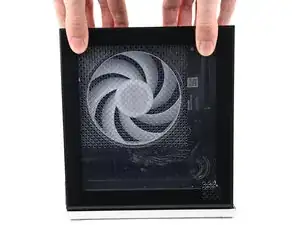
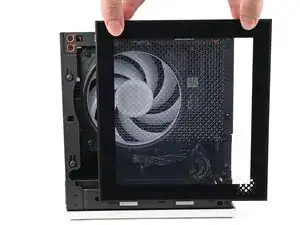
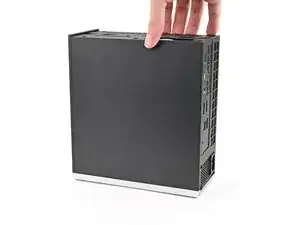
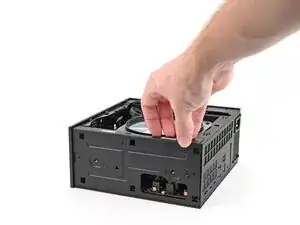
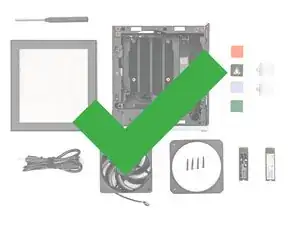
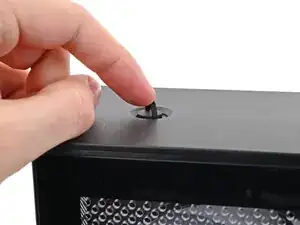
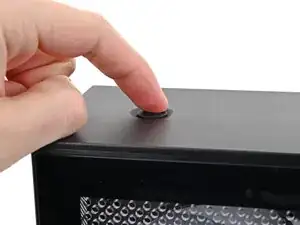
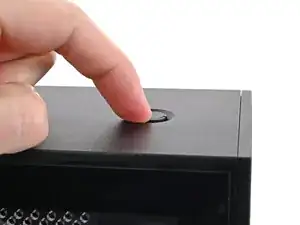
You finished fixing your Framework Desktop!
Take your e-waste to an R2 or e-Stewards certified recycler.
If you need help, contact Framework support.